
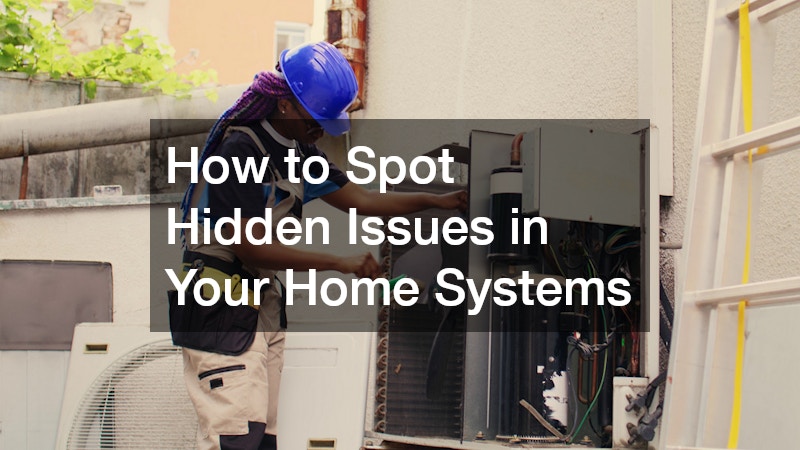
Most homeowners don’t think about what’s happening behind their walls, under their floors, or inside their mechanical systems—at least not until something goes wrong. The challenge is that many costly repairs don’t start with dramatic failures. They begin quietly, with subtle clues that are easy to overlook. A faint noise, a slight drop in pressure, or a small spike in your utility bill can all point to deeper issues.
Learning how to spot these hidden problems early can save thousands of dollars, prevent major disruptions, and protect your home’s long-term value. This guide walks through how to recognize those early warning signs and take action before small issues become major headaches.
Recognizing Early Warning Signs in Your HVAC System
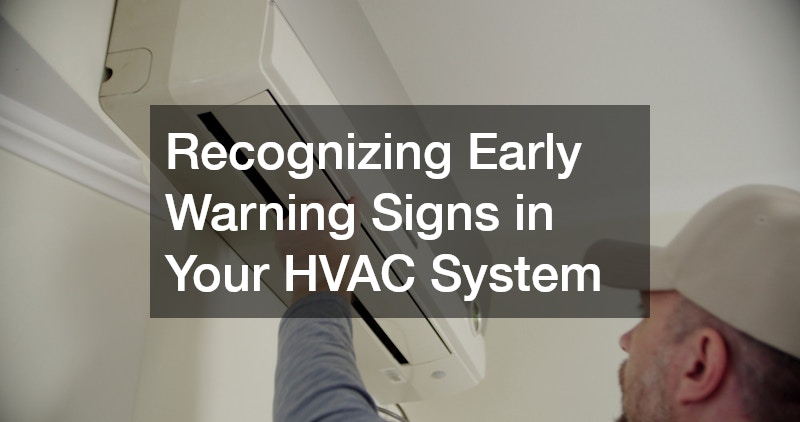
Your heating and cooling system is one of the hardest-working systems in your home, and it often gives subtle hints before something goes wrong. The key is knowing what those hints look like.
You might first notice that a room feels warmer or cooler than usual, even though the thermostat hasn’t changed. Or perhaps your system runs longer than it used to, cycling on and off more frequently. These are not just annoyances—they’re early indicators that something isn’t functioning efficiently.
Sometimes the clues are sensory:
- A faint rattling or buzzing sound when the system starts
- A musty or burning smell coming from vents
- Weak airflow in certain rooms
Before jumping to conclusions, check the basics. Dirty filters, blocked vents, or worn-out HVAC supplies can restrict airflow and strain the system. Replacing filters and clearing vents can often resolve minor issues quickly.
However, if these symptoms persist, it may signal a deeper mechanical problem. In those cases, bringing in a technician for local AC repair can help identify worn components, refrigerant issues, or electrical faults before they lead to a full system failure.
Another often-missed clue is humidity imbalance. If your home suddenly feels more humid or dry than usual, your system may not be regulating airflow properly. Over time, this can affect comfort, indoor air quality, and even your home’s structure.
Detecting Inefficiencies in Your Water Heating System
Hot water is something most people take for granted—until it becomes unreliable. A water heater rarely stops working overnight without warning. Instead, it gradually becomes less efficient.
You might notice:
- Water is taking longer to heat up
- Inconsistent temperatures during use
- A sudden increase in energy bills
These changes often point to sediment buildup inside the tank. Over time, minerals settle at the bottom, reducing efficiency and forcing the system to work harder.
Take a moment to visually inspect the area around your unit. Look for rust, moisture, or small puddles forming near the base. Even minor corrosion can indicate that the tank is weakening internally.
If your system is newer but already showing problems, the issue may stem from improper water heater installation. Poor connections, incorrect sizing, or inadequate ventilation can all lead to performance issues long before the unit’s expected lifespan.
It’s also helpful to listen closely. Popping or rumbling sounds are often caused by hardened sediment shifting inside the tank. While it may seem harmless, this is a sign that efficiency is declining and internal wear is increasing.
Identifying Plumbing Leaks Before They Escalate
Leaks are one of the most common—and most overlooked—home system problems. The difficulty is that many leaks occur in places you rarely check.
Instead of waiting for visible water damage, pay attention to indirect signs. A musty smell in a cabinet, a warped baseboard, or peeling paint can all indicate hidden moisture.
One of the most effective tools you already have is your water meter. Turn off all water sources in your home, then check the meter. If it continues to move, there’s likely a leak somewhere in the system.
You can also perform quick visual checks:
- Look under sinks for dampness or discoloration
- Inspect ceilings for faint water stains
- Check around appliances like dishwashers and washing machines
If you suspect a problem but can’t locate the source, it’s worth contacting local plumbers who have specialized tools for leak detection. A reputable plumbing company can use thermal imaging or pressure testing to pinpoint issues without tearing into walls unnecessarily.
Keep in mind that even a slow drip can waste gallons of water over time. Beyond the cost, prolonged exposure to moisture can lead to mold growth, which introduces a completely new set of concerns.
Spotting Hidden Drainage Problems in Your Home
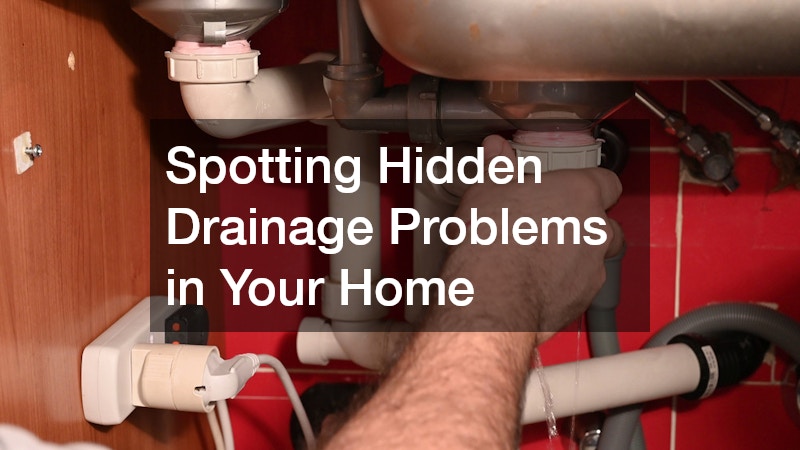
Drainage issues rarely start as emergencies. They begin with slow, subtle changes that gradually worsen over time.
You may notice water draining more slowly from sinks or tubs. At first, it’s easy to dismiss as minor buildup. But when combined with other signs—like gurgling noises or unpleasant odors—it can indicate a deeper blockage in your system.
Rather than waiting for a complete clog, take action early. Simple maintenance, like flushing drains or clearing debris, can help, but recurring issues often require a more thorough approach.
In some cases, a professional drain cleaning service is needed to remove buildup that household solutions can’t address. Ignoring these signs can eventually lead to a full blockage, which may escalate into an emergency plumbing problem involving backups or overflows.
Another overlooked indicator is inconsistent drainage between fixtures. If one sink drains fine while another struggles, the issue may be isolated. But if multiple drains slow down at once, the problem is likely deeper in your main line.
Evaluating the Quality of Recent Installations or Repairs
Not all problems come from aging systems. Sometimes, issues arise from work that was recently completed.
If you’ve had repairs or upgrades done, it’s important to monitor how those systems perform in the weeks that follow. A newly installed system should operate smoothly and efficiently. If it doesn’t, that’s a red flag.
Watch for:
- Unusual noises shortly after installation
- Inconsistent performance compared to expectations
- Visible gaps, loose fittings, or poor sealing
For example, if you’ve recently had an AC installation service, uneven cooling or frequent cycling may indicate improper setup. Similarly, plumbing work that results in fluctuating pressure or minor leaks could point to installation errors.
Even when working with a trusted plumbing company, it’s worth doing a follow-up inspection to ensure everything was completed correctly and is functioning as intended.
A good rule of thumb is this: if something feels “off” shortly after a repair, don’t ignore it. Early correction is almost always easier and less expensive than waiting for the issue to worsen.
Watching for Outdoor System Issues That Affect Your Home
Outdoor systems often operate out of sight and out of mind, but they can have a significant impact on your home’s overall performance.
If you have a pool, irrigation system, or exterior plumbing, small issues can quickly escalate. A slow leak in a pool system, for instance, can increase water usage and strain your home’s plumbing infrastructure.
You might notice higher water bills or damp areas in your yard without an obvious cause. These clues can point to underground leaks or failing equipment.
Working with a pool company to inspect pumps, filters, and connections can help identify problems early. At the same time, coordination with local plumbers ensures that any issues affecting your home’s main water system are addressed comprehensively.
Tree roots are another hidden factor. Over time, roots can grow into underground pipes, causing blockages or cracks that are difficult to detect without professional tools.
Monitoring Sudden Changes That Signal Bigger Problems

Sometimes, the clearest warning signs are sudden and unexpected changes.
Imagine waking up to find your shower barely producing hot water, or noticing a sharp spike in your monthly utility bill. These abrupt shifts often indicate that something has already progressed beyond a minor issue.
Pay close attention to:
- Sudden drops in water pressure
- Discolored or foul-smelling water
- Unexpected increases in energy or water usage
These symptoms can point to serious concerns, such as a failing water heater or a hidden emergency plumbing problem. Acting quickly in these situations is critical, as delays can lead to extensive damage or costly repairs.
It’s also important to trust your instincts. If something feels unusual in your home—even if you can’t immediately identify the cause—it’s worth investigating further.
Performing Routine Visual Inspections Like a Pro
You don’t need to be a professional to spot many hidden issues—you just need a consistent routine.
Set aside time each month to walk through your home and check key areas. Focus on spaces where problems are most likely to develop: utility rooms, under sinks, around appliances, and near vents.
A simple checklist might include:
- Inspecting filters and replacing worn HVAC supplies
- Looking for signs of moisture or corrosion
- Listening for unusual sounds during system operation
- Checking drain speed in sinks and tubs
These small habits can significantly reduce the likelihood of needing major repairs, including frequent reliance on a drain cleaning service.
Over time, you’ll become more familiar with what’s normal in your home. That familiarity makes it much easier to spot subtle changes before they turn into serious problems.
Knowing When to Call Professionals for Hidden Issues
There’s a point where observation and basic maintenance are no longer enough. Recognizing that point is just as important as spotting the initial problem.
If an issue persists despite your efforts, or if you’re unsure about the cause, it’s best to bring in an expert. Waiting too long can turn a manageable repair into a much larger project.
Understanding the Limits of DIY Troubleshooting
Many homeowners take pride in handling minor repairs themselves, and for good reason. Replacing filters, tightening fittings, or clearing small clogs are all manageable tasks. However, hidden issues often involve internal components or system-wide imbalances that aren’t visible from the outside.
If you find yourself repeating the same fix—resetting a system, clearing a drain, or adjusting a setting—only for the problem to return, that’s a clear signal that the root cause hasn’t been addressed. At that point, continuing to troubleshoot on your own can waste time and potentially worsen the issue.
Recognizing High-Risk Warning Signs
Some symptoms should immediately shift your mindset from “I can handle this” to “this needs professional attention.” These include:
- Electrical smells or burning odors from equipment
- Water pooling near major appliances or system components
- Loud mechanical noises like grinding, banging, or screeching
- Systems shutting down unexpectedly or failing to start
These are not surface-level issues. They often indicate deeper mechanical or safety concerns that require proper tools and training to diagnose safely.
What Professionals Bring to the Table
Professionals can provide:
- Accurate diagnostics using specialized tools
- Safe handling of complex systems
- Long-term solutions rather than temporary fixes
Beyond tools, professionals bring experience. They’ve seen patterns across hundreds of homes and can often identify a problem within minutes that might take a homeowner days to figure out. This not only speeds up repairs but also reduces the risk of misdiagnosis.
Preventing Small Issues From Escalating
One of the biggest advantages of calling a professional early is preventing escalation. A minor issue—like a worn component or small internal leak—can quickly lead to system-wide damage if left unaddressed.
For example, a small inefficiency in your cooling system might seem manageable at first. But over time, it can strain the entire unit, leading to higher energy costs and eventual failure. In these cases, timely local AC repair can resolve the issue before it affects other components.
The same principle applies to hot water systems. If you’re noticing ongoing inconsistencies, strange noises, or reduced performance, it may not be a simple fix. Persistent hot water problems could indicate the need for adjustments or a complete water heater installation.
Making the Call With Confidence
Knowing when to call a professional isn’t about giving up control—it’s about making informed decisions. When you recognize the signs early and act quickly, you maintain control over the situation rather than reacting to a full-blown emergency later.
Trust your observations, but don’t hesitate to escalate when something feels off. That balance is what keeps small issues from becoming major disruptions.
Closing Thoughts on Staying Ahead of Home System Issues
Hidden problems don’t have to catch you off guard. With a bit of awareness and a proactive approach, you can identify early warning signs and take action before they escalate.
Your home’s systems are constantly communicating—you just need to know how to listen. By paying attention to small changes, performing regular inspections, and seeking professional help when needed, you can keep your home running smoothly and avoid the stress of unexpected breakdowns.
