

Selling a home is rarely just about square footage or location. Buyers notice how a property feels the moment they step inside. A house with smart updates, reliable systems, and thoughtful improvements tends to create confidence immediately, while outdated features can quietly push buyers away before they even schedule a second showing.
Some improvements are visible the moment someone walks through the front door. Others work behind the scenes but still influence inspections, negotiations, and appraisals. Knowing where to spend money—and where not to overspend—can make a substantial difference when it comes time to list a property.
Upgrading Electrical Systems Before Problems Become Visible

A freshly painted living room may look appealing, but buyers often become cautious once they notice flickering lights, limited outlets, or an outdated breaker box. Electrical systems are one of those hidden features that buyers may not think about immediately, yet they strongly influence how safe and functional a home feels.
Many older homes were built before modern technology demands existed. Families today use significantly more devices, appliances, and charging stations than homeowners did twenty or thirty years ago. When a home struggles to support those demands, it can quickly feel outdated.
In competitive markets, updated electrical infrastructure often helps homes stand out because buyers recognize they will not need immediate repairs after moving in. Working with experienced residential electricians can help homeowners identify aging wiring, overloaded circuits, and code issues before they become major concerns during inspections.
A few improvements can make a substantial difference:
- Adding grounded outlets in older rooms
- Installing additional kitchen circuits
- Updating exterior lighting
- Replacing worn or damaged wiring
- Improving garage and workshop power access
Some homeowners overlook the importance of an electrical panel upgrade because the panel itself is rarely visible during showings. However, inspectors and buyers pay close attention to panel capacity, especially when homes include modern appliances, smart devices, or newer HVAC systems.
Imagine a buyer walking through a beautifully renovated kitchen only to discover the electrical panel is outdated and maxed out. Suddenly, that dream kitchen feels less impressive because buyers start calculating future costs.
Modernizing the panel also creates flexibility for future upgrades, including home offices, electric vehicles, outdoor entertainment spaces, and expanded appliance usage. Even buyers who do not fully understand electrical systems appreciate knowing the infrastructure has already been updated.
Adding Reliable Backup Power for Peace of Mind
Weather-related outages have become more common in many parts of the country, and homeowners are increasingly looking for ways to protect their properties from unexpected interruptions. Backup power systems once felt like luxury upgrades, but many buyers now view them as practical investments.
This shift is especially noticeable in regions prone to hurricanes, winter storms, or rolling blackouts. Families working remotely or relying on medical equipment often prioritize homes with reliable emergency power options already in place.
A professionally installed standby generator can create an immediate sense of preparedness. Instead of scrambling during outages, homeowners can continue running refrigerators, internet systems, lighting, and heating or cooling equipment without major disruption.
When evaluating this type of renovation, homeowners should think beyond the equipment itself. Placement, noise levels, fuel source access, and maintenance requirements all influence long-term value.
Questions worth considering include:
- How much of the home should the generator support?
- Will the system power only essentials or the entire house?
- Is natural gas available, or will propane storage be necessary?
- How visible will the equipment be from the street?
An experienced generator installer can help homeowners determine the right system size and placement without negatively affecting curb appeal. In some neighborhoods, discreet placement and thoughtful landscaping can make the installation feel almost invisible while still delivering major practical benefits.
Buyers often appreciate renovations that reduce uncertainty. A backup power system quietly communicates that the home has been maintained thoughtfully and prepared for real-world situations.
Creating Better Connectivity Throughout the Home

The modern home has evolved dramatically in recent years. Kitchens have become gathering spaces, spare bedrooms have turned into offices, and reliable digital access has become almost as important as plumbing or electricity.
Poor connectivity can quickly frustrate buyers, especially those who work remotely or manage multiple devices simultaneously. Slow streaming speeds, dead zones, and inconsistent wireless coverage can make even a beautiful home feel inconvenient.
Improving home internet performance is no longer just about installing faster service. Buyers increasingly value homes designed to support connected living throughout the property.
In larger homes, dead spots often appear in upstairs bedrooms, garages, patios, or converted office spaces. Homeowners preparing to sell may benefit from evaluating how connectivity functions in every major room rather than relying solely on a single router near the living room.
Some practical upgrades include:
- Installing mesh networking systems
- Adding structured wiring panels
- Improving router placement
- Creating dedicated office workspaces
- Increasing outlet availability near desks and media centers
One overlooked detail is how buyers emotionally respond during showings. If someone attempts to test their phone signal or connect to Wi-Fi and experiences problems immediately, it subtly changes how they perceive the property.
Modern buyers are not simply purchasing square footage anymore. They are evaluating whether a home supports their lifestyle, productivity, and entertainment habits without frustration.
Transforming the Garage Into a Functional Asset
Garages have changed from simple parking spaces into multifunctional extensions of the home. Buyers now use them for storage, fitness equipment, hobbies, workshops, and increasingly, electric vehicle charging.
This shift creates an opportunity for homeowners to improve resale value without fully renovating interior living spaces.
A garage that feels clean, organized, and adaptable tends to leave a strong impression. Even moderate upgrades can dramatically improve functionality and visual appeal.
Popular improvements include epoxy flooring, insulated doors, built-in storage cabinets, upgraded lighting, and wall-mounted organization systems. These updates help buyers imagine how they would actually use the space instead of viewing it as cluttered overflow storage.
Another increasingly valuable feature is home EV charger installation. As electric vehicles become more common, many buyers actively look for homes that already support convenient charging access.
Preparing for an EV charger often involves more than mounting hardware on a wall. Homeowners may need to assess electrical capacity, panel strength, wiring distance, and garage layout. Planning ahead can prevent expensive retrofits later.
There is also a psychological advantage to future-ready upgrades. Buyers tend to feel more comfortable purchasing homes that already accommodate evolving technology rather than requiring additional investments immediately after closing.
Even homeowners who do not own electric vehicles themselves may find that adding charging infrastructure broadens buyer interest and positions the home as more modern and adaptable.
Improving Indoor Comfort With Smarter Cooling Upgrades

Temperature control plays a surprisingly large role in how buyers experience a home during showings. A property that feels humid, stuffy, or unevenly cooled can leave a negative impression almost instantly.
Buyers may not always comment directly on comfort issues, but they notice them subconsciously. Rooms that cool unevenly, systems that run loudly, or outdated thermostats can quietly raise concerns about maintenance costs and energy efficiency.
Before listing a property, homeowners often benefit from evaluating the entire cooling system rather than focusing solely on cosmetic updates.
A trusted HVAC company can identify airflow issues, duct leaks, outdated components, and inefficient equipment that may hurt resale value. In many cases, relatively modest improvements significantly improve comfort while lowering operating costs.
Not every home requires a complete system replacement. Sometimes, smaller upgrades create noticeable improvements:
- Sealing leaking ductwork
- Replacing aging thermostats
- Improving attic insulation
- Cleaning vents and returns
- Balancing airflow between rooms
However, in homes with aging systems, full air conditioning installations may offer stronger long-term value. Buyers often view newer HVAC systems as major selling points because they reduce the likelihood of immediate large expenses.
High-efficiency systems can also help support marketing efforts by emphasizing lower utility costs and modern energy performance.
A buyer touring homes during summer heat is unlikely to forget the property that felt cool, quiet, and comfortable the moment they walked inside.
Fixing Plumbing Issues Before Buyers Discover Them
Plumbing problems tend to create anxiety for buyers because hidden leaks or drainage issues can become extremely expensive quickly. Even relatively small concerns may trigger fears about water damage, mold, or future repair bills.
One slow drain or visible water stain can influence how buyers perceive the entire property.
This is why preventative maintenance often matters more than homeowners realize. A skilled plumber can identify aging pipes, pressure problems, small leaks, and fixture issues before they appear in inspection reports.
Kitchens and bathrooms remain some of the most influential spaces in resale value discussions. Buyers spend extra time evaluating these rooms because they associate them with both comfort and renovation costs.
Fortunately, homeowners do not always need luxury remodels to create meaningful improvements. Sometimes, practical upgrades create stronger buyer confidence than flashy design choices.
For example, replacing old fixtures, improving water pressure, and modernizing sinks or shower hardware can help spaces feel cleaner and more functional without requiring a full renovation.
Drain cleaning is another frequently overlooked maintenance task that can significantly improve buyer impressions. Slow drains, odors, or recurring clogs may seem minor to current owners who have adapted to them over time, but buyers notice these issues immediately.
One common mistake sellers make is assuming cosmetic staging alone will distract from functional problems. In reality, buyers often interpret neglected maintenance as a sign that larger hidden issues may exist elsewhere in the home.
Preventative plumbing work helps eliminate those doubts before negotiations begin.
Addressing Minor Cooling Problems Before Listing
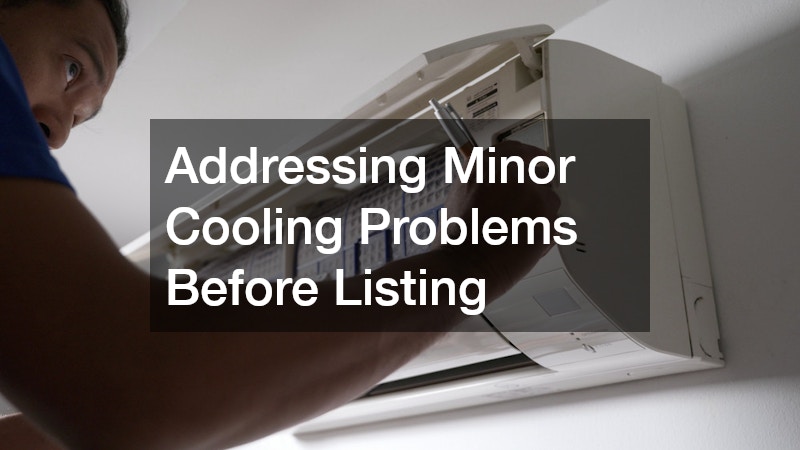
Homeowners sometimes postpone small maintenance issues because they seem manageable during everyday living. A strange sound from the AC unit, inconsistent cooling in one bedroom, or slightly higher energy bills may not feel urgent while occupying the home.
Buyers, however, tend to interpret these same issues very differently.
Minor maintenance concerns often create outsized emotional reactions during showings and inspections because buyers are already anticipating future expenses. A property that appears neglected in one area may cause them to question the condition of the entire house.
Timely AC repairs can prevent these concerns from becoming larger negotiation obstacles later.
In some cases, relatively inexpensive repairs create dramatic improvements in how the home feels overall. Replacing worn capacitors, cleaning coils, calibrating thermostats, or correcting airflow restrictions may improve cooling consistency immediately.
Homeowners preparing to sell should also consider documenting maintenance history whenever possible. Buyers appreciate seeing evidence that systems have been serviced regularly.
Helpful documentation might include:
- Seasonal maintenance invoices
- Filter replacement schedules
- Warranty paperwork
- Inspection reports
- Service agreements
These records create reassurance and help demonstrate responsible ownership.
One family touring a home may never ask directly about the HVAC system, but if every room feels comfortable and the system operates quietly in the background, that positive impression still influences their decision-making process.
Avoiding Renovation Choices That Reduce Buyer Appeal
Not every renovation increases resale value. Some projects actually make homes harder to sell because they reflect highly personal tastes or prioritize trends over practicality.
Homeowners sometimes assume expensive automatically means valuable. Unfortunately, buyers do not always share the same preferences or priorities.
Overly customized renovations often narrow the buyer pool. Bright specialty paint colors, unusual room conversions, or extremely niche luxury features may appeal to a small audience while discouraging others.
For example, converting a garage into a themed entertainment room might seem exciting to one homeowner, but many buyers would rather retain functional parking and storage space.
Another common issue is overspending relative to neighborhood expectations. A luxury kitchen in a modest neighborhood may not deliver strong returns if nearby homes support lower price ceilings.
Functional improvements generally outperform trend-driven upgrades because they solve real problems buyers care about. Reliable systems, efficient layouts, comfortable living spaces, and practical storage tend to hold broader appeal over time.
Homeowners should also be careful about ignoring permits or code requirements during renovations. Buyers increasingly request documentation for major upgrades, and unpermitted work can complicate inspections, financing, and insurance.
Before beginning any large project, it helps to ask a few important questions:
- Will this renovation appeal to most buyers or only a few?
- Does this improvement match neighborhood expectations?
- Is the project solving a real functional problem?
- Could the money create stronger value elsewhere?
The best resale-focused renovations typically balance aesthetics with usability. Buyers want homes that look attractive, but they also want spaces that feel reliable, efficient, and easy to maintain.
Successful home renovations are rarely about chasing the latest design trend or creating the most expensive property on the block. The improvements that consistently strengthen resale value are the ones that make daily life easier, safer, and more comfortable.
The most effective approach is usually strategic rather than dramatic. Focusing on comfort, efficiency, maintenance, and long-term usability helps create a home that appeals to a broader range of buyers while supporting stronger resale potential.
