
Every time the seasons turn, your house absorbs a fresh round of stress that often goes unnoticed until something fails at the worst possible moment. Temperature swings, shifting humidity, and sudden storms put pressure on systems that worked fine just weeks earlier. Knowing which parts of your home are most vulnerable during these transitions can help you catch small problems before they become expensive emergencies. This guide walks through the systems most likely to break down as the weather changes and what you can do to stay ahead of it.
Water Heaters Struggle With Temperature Swings

As groundwater temperatures drop in fall and winter, your water heater has to work harder to deliver the same hot water output you got during warmer months. This added strain often exposes weaknesses that were hiding all summer, like sediment buildup, a failing heating element, or a thermostat that can no longer keep up with demand. Homeowners frequently notice lukewarm showers or strange popping noises right as the seasons shift, which is usually a sign the unit is being pushed past its comfort zone.
If you notice inconsistent water temperature, discolored water, or a unit that takes longer to recover between uses, it is worth scheduling water heater repair before the problem worsens. Waiting too long can turn a simple fix into a full replacement, especially if the tank has started to corrode internally. A quick seasonal check of the pressure relief valve and anode rod can add years to the life of the system.
- Flush the tank annually to remove sediment that insulates and stresses the heating element
- Listen for rumbling or popping sounds, which often indicate mineral buildup
- Check the pilot light or ignition system before cold weather arrives
- Inspect for leaks around the base, which tend to worsen with temperature changes
Furnaces Fail Right When You Need Them Most
There is a reason furnace problems always seem to show up on the first truly cold night of the year. These systems sit dormant for months, and dust, worn belts, or cracked heat exchangers often go unnoticed until the unit is asked to run continuously. A furnace that was limping along last winter will usually show the same symptoms again, only worse, once temperatures drop.
Scheduling furnace repair before the coldest weeks hit gives a technician time to catch issues like a failing igniter, a clogged filter, or a blower motor that is drawing too much power. Many furnace emergencies are preventable with a single fall inspection. If your system is more than twelve years old, it also makes sense to start budgeting for eventual replacement rather than waiting for a complete breakdown.
- Replace the air filter at the start of every heating season
- Test the thermostat before relying on it for daily use
- Listen for grinding, squealing, or rattling sounds on startup
- Keep vents and returns clear of furniture and debris
Roofs Reveal Storm Damage After Each Season
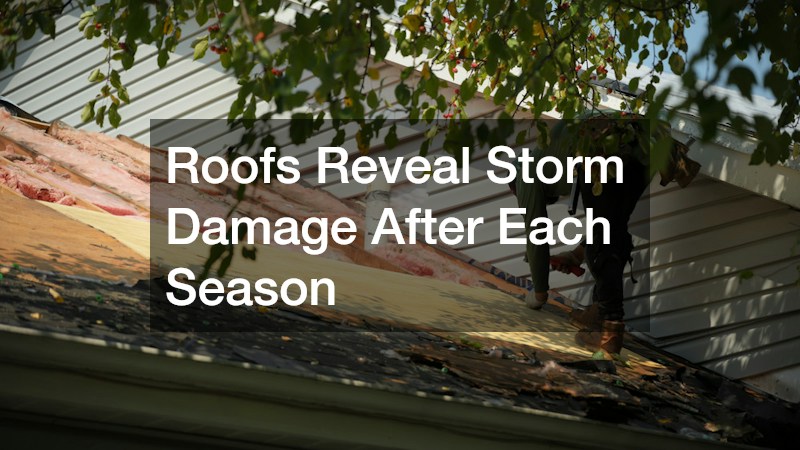
Roofs take a beating from every direction throughout the year, from summer heat that dries out shingles to winter ice that works its way into small cracks. The transition seasons, spring and fall, are when damage from the previous months finally becomes visible, often in the form of curling shingles, granule loss, or soft spots in the decking. A roof that looked fine in July can develop a slow leak by October without any obvious warning signs from the ground.
This is why many residential roofers recommend a seasonal inspection rather than waiting for a visible leak to show up on your ceiling. Catching a damaged flashing or a cracked vent boot early is far cheaper than repairing water damage to insulation and drywall later. A thorough inspection also checks gutter attachment points, since heavy seasonal debris can pull gutters away from the fascia.
- Look for granules collecting in gutters, a sign of shingle wear
- Check attic spaces for daylight coming through the roof deck
- Watch for sagging areas that may indicate trapped moisture
- Trim overhanging branches before storm season to reduce debris buildup
Choosing the Right Roofing Help Before Problems Spread
Not every roofing issue requires a full replacement, but knowing when to call in professional help makes a real difference in cost and outcome. Reputable roofing companies will walk you through the difference between a patch job and a situation that calls for more extensive work, rather than pushing for the most expensive option right away. Experienced roofers can also spot subtle signs of trouble, like soft spots or granule loss, that an untrained eye would miss entirely. Getting a second opinion is reasonable, especially after a major storm when demand for repairs spikes and pricing can become inconsistent.
The best roofing companies also know how local weather patterns affect material choices, which matters if you are repairing rather than replacing. A roof repaired with the wrong materials for your climate will often fail again within a year or two. Ask about warranty terms before work begins, since this protects you if a repair does not hold up through the next seasonal change.
- Request photos of the damage before and after repair work
- Ask how long the company has serviced homes in your specific climate zone
- Confirm whether the warranty covers labor, materials, or both
- Get at least two estimates for anything beyond a minor patch
Decks and Porches Shift With Ground Movement
Outdoor structures attached to your home are constantly adjusting to freeze and thaw cycles in the soil beneath them, which can loosen posts, crack boards, and pull railings away from their anchors. A front porch builder will often point out that most structural movement happens gradually over several seasons rather than all at once, which is why early signs like a slightly uneven step or a sticking door are easy to dismiss. Left unaddressed, that small shift can turn into a safety hazard by the following year.
Wood expands and contracts with humidity, so seasonal inspections should include a close look at joints, fasteners, and any area where the structure meets the ground. Composite materials handle these swings better than untreated wood, but even they benefit from a yearly check. Catching movement early keeps repair costs low and prevents water from finding its way into structural framing.
- Check for loose or rising nails after freeze thaw cycles
- Inspect support posts for rot where they meet the soil
- Look for gaps forming between the porch and the house
- Reseal or stain wood surfaces before extreme temperature swings
Air Conditioning Systems Struggle at the Edges of the Season
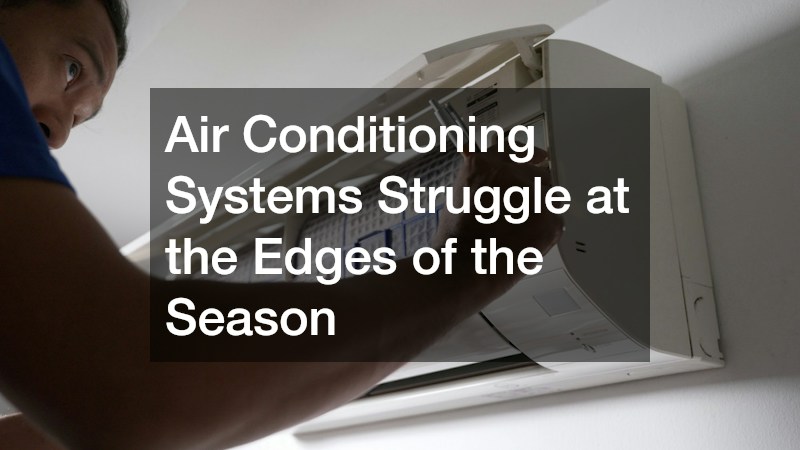
Air conditioners tend to fail not during the peak of summer but right at the start of the season, when a unit that has been idle for months is suddenly asked to run for hours at a time. After sitting dormant all winter, seals can dry out, belts can stiffen, and small refrigerant leaks that went unnoticed in the fall have had months to worsen. The first real heat wave becomes a stress test the system didn’t get to prepare for. Refrigerant leaks, worn capacitors, and dirty coils are common culprits that only become obvious once the system is under real load. A capacitor that’s lost even 20% of its rated capacitance might still start the compressor on a cool morning, but it can fail outright once the unit has to run continuously for six or eight hours in afternoon heat. Low refrigerant levels work similarly — a system might cool adequately at lower demand, then blow warm air once temperatures climb high enough to require the compressor to run nonstop. A unit that seemed to work fine on a mild spring day can struggle badly once temperatures climb into the 90s. This is partly why many HVAC technicians recommend a pre-season tune-up in early spring rather than waiting for the first hot spell: checking refrigerant charge, cleaning the condenser coils, and testing capacitor readings before the system is under pressure catches most of these issues while repairs are still routine rather than emergencies. Waiting until the first 90-degree day usually means waiting in line behind everyone else whose system failed the same week.
Air conditioning systems sit idle for months, and that downtime hides small problems that turn into expensive ones the moment the system is asked to work hard. Scheduling AC repairs early in the season, rather than waiting for the first heat wave, gives technicians time to address problems before everyone else is calling with the same issue. By March or April, most HVAC companies still have open appointment slots; by June, those same companies are often booked a week or two out, leaving homeowners sweating through a heat wave with no relief in sight. A simple coil cleaning or capacitor replacement can prevent a complete system failure later. Dirty evaporator coils force the compressor to work harder, which raises energy bills and shortens the unit’s lifespan, while a weak capacitor often shows warning signs — slow startup, clicking noises, or a fan that spins sluggishly — well before it fails outright. Refrigerant levels, electrical connections, and air filters are worth checking at the same time, since all three affect how efficiently the system cools. It also helps to run your system for a short test period on the first warm day of the year instead of waiting until you genuinely need it. Let it run for 15 to 20 minutes and pay attention to airflow strength, unusual odors, or odd sounds coming from the outdoor unit. Catching these clues during a low-stakes test run means a technician can fix the issue on their schedule, not during an emergency call when temperatures outside are already climbing into the 90s.
- Clean or replace the air filter before the cooling season starts — a clogged filter forces the system to work harder and can spike energy bills by 15% or more
- Clear debris, leaves, and overgrown vegetation at least two feet away from the outdoor condenser unit so airflow isn’t restricted
- Listen for unusual clicking, humming, or rattling during startup, which can signal a failing capacitor or loose component
- Check that the thermostat is responding accurately to temperature changes, with no more than a degree or two of lag between setting and actual room temp
- Inspect the condensate drain line for clogs, since a blocked line can cause water backup and damage surrounding walls or flooring
- Test the system on a mild day before the first real heat wave hits, giving you time to schedule repairs before peak demand strains HVAC technicians’ schedules
Sun Exposure Changes Demand Shade Adjustments
As the sun angle shifts between seasons, rooms that were comfortable in winter can become uncomfortably hot once spring and summer arrive, driving up cooling costs and fading furniture or flooring over time. Many homeowners address this by installing exterior sun shades on west and south facing windows, which block heat before it ever reaches the glass. This is a simple adjustment that reduces strain on your cooling system while also protecting interior finishes from sun damage.
The right shading solution depends on your home’s orientation and the specific windows getting the most direct exposure throughout the day. Retractable options allow you to adjust coverage as the seasons change, rather than committing to a fixed solution that might block too much light in winter. Pairing shade improvements with better attic ventilation often produces a noticeable difference in indoor comfort.
- Identify which windows get direct sun exposure for the longest stretch each day
- Consider retractable shades for flexibility across seasons
- Check for fading or heat damage on floors and furniture near large windows
- Combine shading with attic ventilation improvements for better results
Driveways and Walkways Crack Under Freeze Thaw Pressure
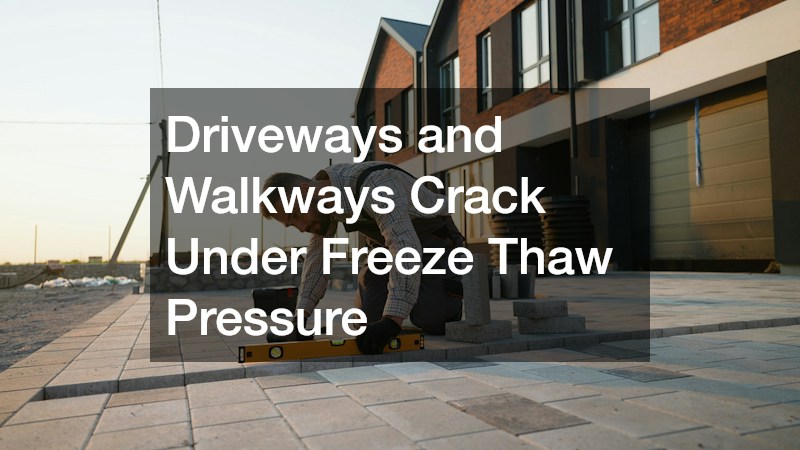
Pavement might seem permanent, but it is constantly expanding and contracting with temperature changes, and water that seeps into small cracks can freeze, expand, and widen them significantly over a single winter. This is one of the most overlooked seasonal failures because the damage happens gradually underground before it becomes visible on the surface. A driveway that looked fine in October can have serious structural cracking by March.
Regular sealing and prompt crack repair go a long way toward extending the life of asphalt paving, especially in climates with harsh winters. Addressing small cracks before the first freeze prevents water infiltration that causes much larger problems later. If your driveway has widespread cracking or sections that have started to heave, it may be more cost effective to repave sections rather than continuing to patch them individually.
- Seal cracks before the first hard freeze of the year
- Watch for pooling water, which indicates drainage problems
- Reapply sealcoat every two to three years depending on climate
- Avoid heavy vehicle loads on new pavement during curing
New Construction Offers a Chance to Build in Resilience
If you are planning a major renovation or building from scratch, seasonal stress is something worth discussing early in the design process rather than after problems appear. A custom home builder can incorporate drainage solutions, roofing materials, and insulation choices specifically suited to your region’s seasonal extremes. This upfront planning tends to cost less than retrofitting a home later to address issues that could have been avoided from the start.
Homes designed with seasonal transitions in mind typically include better attic ventilation, properly graded drainage away from the foundation, and materials chosen for durability rather than just appearance. These choices reduce the frequency of repairs across every major system discussed here. Asking the right questions during the design phase saves significant money and frustration over the life of the home.
- Ask about grading and drainage plans before construction begins
- Request materials rated for your specific climate zone
- Discuss insulation and ventilation strategy for both summer and winter
- Plan for easy future access to major mechanical systems
Seasonal change will always put stress on your home, but most major breakdowns give some kind of warning if you know where to look. A little attention to your water heater, furnace, roof, driveway, and outdoor structures before each season shift can prevent costly surprises down the road. Start with a walk around your property this weekend and make a short list of anything that looks worn, loose, or out of place. Addressing small issues now is always easier than dealing with a full system failure later.