
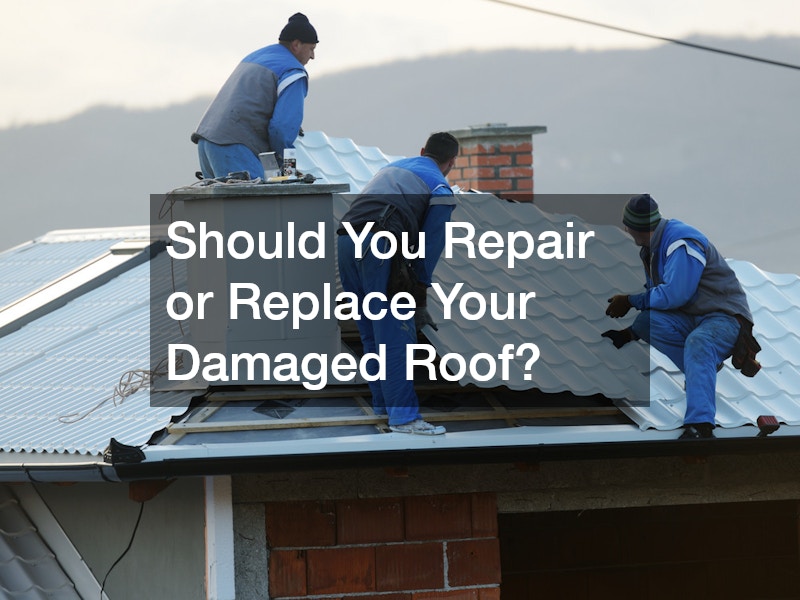
Facing damage to your home’s top protective barrier is one of the most daunting challenges you can encounter as a homeowner. When storm season strikes, aging materials fail, or unexpected leaks begin trickling through the ceiling, the immediate question that arises is whether a quick patch will suffice or if a complete overhaul is necessary. Making the right decision requires balancing current financial constraints against long-term property protection, energy efficiency, and overall curb appeal.
A hasty choice can lead to recurring costs if a compromised structure is repeatedly patched, or unnecessary expenses if a perfectly salvageable system is scrapped prematurely. To make an informed choice, you must look beyond surface-level aesthetics and evaluate the structural integrity beneath, the age of your installation, and the true cost of ongoing maintenance. This detailed guide walks you through the essential diagnostic steps, financial evaluations, and strategic considerations to help you determine the best path forward for your home.
Identifying Early Signs of Subtle Roof Damage
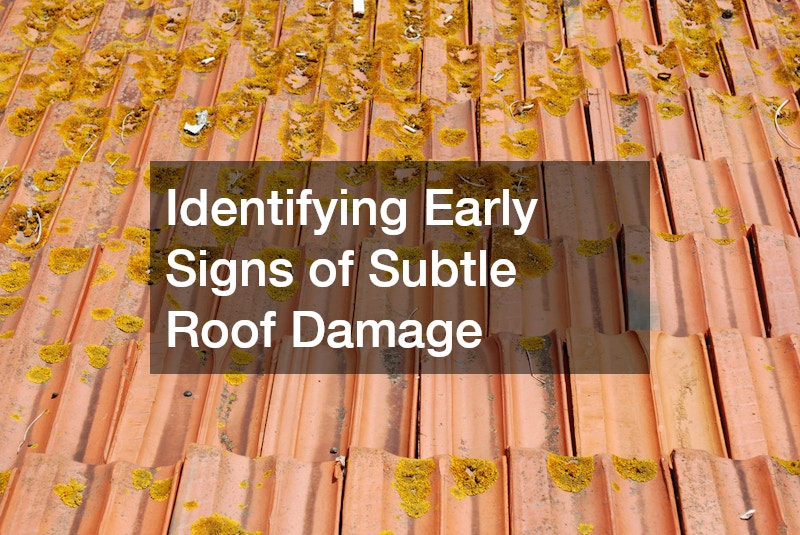
Catching structural vulnerabilities early can mean the difference between a manageable localized fix and a massive structural renovation. While severe storm destruction is obvious, subtle wear often goes unnoticed until water creates unsightly stains on upstairs ceilings or attic drywall. Homeowners should conduct regular visual assessments from ground level using binoculars, paying close attention to shingle edges, flashing around chimneys, and valleys where water naturally collects. Curled, cracked, or missing shingles indicate that the upper layer has lost its flexibility and protective granules, leaving the underlying weatherproofing vulnerable to rain and UV degradation.
Regular professional roof inspections provide a comprehensive analysis that ground-level observations simply cannot match. A trained eye can detect minute fractures in pipe boots, rusted flashing along sidewalls, and early granule loss accumulating in your gutters, which often precedes widespread failure. Identifying these minor issues during routine seasonal checks allows you to execute targeted patches before moisture penetrates deep into your home’s framing.
When evaluating your home’s exterior, keep an eye out for these subtle indicators that demand prompt attention:
-
Granule accumulation in gutters: Excessive coarse sand-like debris signals that asphalt shingles are reaching the end of their functional lifespan.
-
Spongy or sagging decking: Visible dips between rafters indicate that moisture has compromised the underlying wooden structure.
-
Damaged flashing: Separation or corrosion near chimneys, skylights, and vents creates direct pathways for water intrusion.
-
Peeling exterior paint near eaves: Trapped moisture beneath the overhang often manifests as blistered paint along exterior soffits.
Addressing these minor warning signs immediately prevents minor leaks from developing into widespread structural rot. Postponing action usually leads to compounding damage, transforming what could have been an economical repair into an urgent emergency project. By keeping a vigilant maintenance schedule and addressing minor defects as soon as they appear, you preserve the structural integrity of your home while keeping maintenance costs predictable.
Assessing the Extent of Structural Moisture Infiltration
Once water penetrates the outermost protective barrier, it begins traveling along rafters and sheathing, often manifesting far from the original point of entry. Inspecting the underside of your roof structure from inside the attic offers vital clues regarding the true severity of the issue. Look for dark streaks, water rings, active drips during heavy rainfall, or any light shining through from the outside. Persistent moisture creates a breeding ground for mold and wood rot, both of which severely compromise the load-bearing capacity of your home’s upper structure.
If water has continuously seeped past the underlayment, the local roof decking beneath the shingles may become rotted, soft, or warped over large sections. When wooden sheathing loses its structural stiffness, simple surface repairs are no longer viable because new shingles cannot be securely anchored to compromised timber. In scenarios where decay is isolated to a single sheet of plywood, a targeted replacement of that specific section alongside new shingles can restore full protection. However, if widespread rot is discovered across multiple spans, a complete tear-off is mandatory to ensure structural safety.
Ignoring internal moisture signs can lead to severe structural failure and health hazards throughout the living space. Mold spores can easily enter your household HVAC system, deteriorating indoor air quality while wood rot quietly weakens structural trusses. Taking swift action to measure moisture levels and replace soft wood guarantees that your home remains safe, dry, and structurally sound for years to come.
Calculating the Age Factor Against Expected Lifespan
Every roofing material operates on a finite chronological timeline, and understanding where your installation stands in its lifecycle is crucial for financial planning. Standard three-tab asphalt shingles typically last between 15 and 20 years, whereas higher-grade architectural shingles can endure 25 to 30 years under optimal weather conditions. Alternative materials such as metal, tile, or slate boast significantly longer lifespans, often exceeding 50 years with minimal upkeep. If your standard asphalt system is over 18 years old and experiencing widespread degradation, spending money on localized repairs often yields diminishing returns.
Consulting an experienced residential roofer can help you determine whether your aging system has reached the end of its reliable service life. A professional assessment considers localized climate impacts, sun exposure, and ventilation quality—factors that heavily influence how rapidly materials degrade over time. If an older installation requires frequent patches every winter, those cumulative minor expenses will quickly surpass the cost-per-year value of installing a fresh, warranted protection system.
Understanding how different materials age helps you weigh the practicality of fixing versus replacing your current setup:
-
Three-Tab Asphalt Shingles: Expect 15 to 20 years of performance; susceptible to wind uplift as adhesive strips dry out with age.
-
Architectural Shingles: Offer 25 to 30 years of resilience; heavier construction provides superior impact resistance against hail.
-
Standing Seam Metal: Delivers 40 to 70 years of service; highly resistant to extreme winds, fire, and heavy snow accumulation.
-
Clay or Concrete Tiles: Lasts 50 to 100 years; extremely durable but requires substantial underlying structural support due to weight.
Matching the age of your materials against these standard lifespans removes much of the guesswork from your long-term planning. When an aging system reaches 80% or more of its expected longevity, investing in major localized patches is usually a temporary band-aid. Transitioning to a new installation provides fresh warranty coverage, updated weatherproofing technology, and total peace of mind during severe weather.
Evaluating the Cost Differential Between Spot Fixes and Full Overhauls
Financial considerations inevitably dictate whether a homeowner opts for a quick fix or an immediate total replacement. A localized repair—such as replacing a missing bundle of shingles or re-flashing a leaky chimney—requires a relatively modest upfront investment. This path is ideal when damage is isolated to a discrete area, such as a fallen tree branch impact, while the rest of the surface remains in pristine condition. However, if damage covers more than 30 percent of the total area, patch jobs become economically inefficient over a multi-year horizon.
Comprehensive roofing services often reveal that full tear-offs offer superior long-term financial value compared to endless patch cycles. When contractors replace the entire system, they install modern ice and water shields, upgraded underlayment, and fresh drip edges that protect vulnerable eaves. Furthermore, modern full-system installations come backed by substantial manufacturer warranties that protect your investment for decades—a benefit rarely offered for minor patch work.
Calculating the true lifetime cost involves looking beyond immediate estimates and factoring in future maintenance requirements. Continually paying service fees for ongoing spot fixes creates compounding expenses without resetting the clock on your material lifespan. A complete overhaul consolidates labor costs into a single project, eliminates recurring leak risks, and enhances your home’s overall market value.
Understanding How Storm Damage Impacts Your Insurance Options
Severe weather events—ranging from intense hail storms to high-wind hurricanes—can inflict catastrophic destruction across your entire overhead defense structure. Insurance policies generally cover sudden, accidental damage caused by storm events, but they explicitly exclude issues arising from normal wear, tear, and neglect. Following a major storm, documenting all visible exterior damage with high-resolution photos and scheduling an assessment immediately is essential for establishing a clear timeline for your claim.
Working alongside a reputable roofing company ensures that all storm-related destruction is properly cataloged and presented to your insurance adjuster. Experienced contractors can identify subtle hail impacts that bruise asphalt matting without causing immediate leaks, ensuring those hidden damages are included in the official claim scope. If the storm damage is widespread across multiple slopes, insurance coverage may absorb the vast majority of a full replacement, making a total overhaul the logical choice.
Navigating the insurance claim process effectively requires sticking to a structured procedure to maximize your policy benefits:
-
Document everything immediately: Take clear photos of fallen debris, hail marks, missing shingles, and interior water stains right after the storm.
-
Schedule an independent inspection: Obtain a detailed written condition report from a trusted contractor before the insurance adjuster arrives.
-
Review policy deductibles: Calculate your out-of-pocket obligation to confirm that total repair estimates exceed your specific storm deductible.
-
File claims within time limits: Submit all required documentation promptly to adhere to strict policy filing deadlines following severe weather.
Successfully processing an insurance claim can dramatically reduce the financial burden of replacing a storm-damaged shelter. Ensuring that hidden structural issues are identified early prevents future out-of-pocket surprises down the road. With thorough documentation and professional guidance, you can seamlessly navigate insurance requirements and restore your home’s protection.
Weighing Material Performance and Modern Upgrade Options
When a complete replacement becomes necessary, homeowners are presented with an opportunity to upgrade from basic traditional materials to modern high-performance solutions. Advances in manufacturing have introduced synthetic slates, impact-resistant shingles, and architectural metal options that far surpass the durability of older building products. Selecting high-grade materials enhances your property’s exterior aesthetic while providing superior defense against wind-driven rain, fire hazards, and impact damage from flying debris.
Partnering with a specialized metal roofing contractor allows homeowners to explore long-lasting alternatives that feature exceptional snow-shedding capabilities and impressive wind ratings. Modern metal systems utilize concealed fasteners and interlocking panels that eliminate traditional leak points, offering decades of maintenance-free service. While the upfront investment for premium materials is higher than standard asphalt, the extended service life and reduced upkeep requirements yield excellent long-term dividends.
Selecting the right material requires evaluating local weather patterns, architectural style, and personal ownership timelines. If you plan to remain in your home for decades, investing in premium impact-resistant shingles or metal panels offers unparalleled security. Upgrading your materials not only secures your home against future climate extremes but also significantly reduces ongoing maintenance headaches.
Factoring Energy Efficiency Gains into Replacement ROI
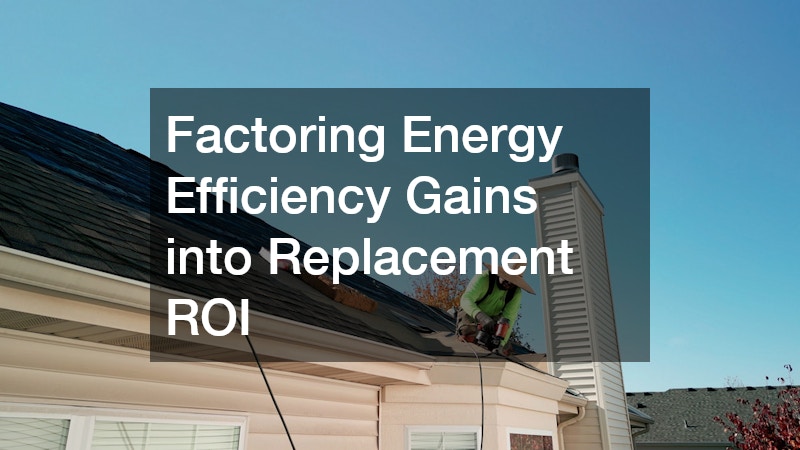
An often-overlooked advantage of replacing an outdated overhead system is the immediate improvement in indoor climate control and household energy efficiency. Older installations frequently suffer from poor attic ventilation and dark, heat-absorbing materials that transfer massive thermal loads into living spaces during summer months. Modern building science emphasizes cool-roof technology, reflective granules, and balanced intake-and-exhaust ventilation systems that allow your attic to breathe naturally year-round.
High-grade modern roofing supplies include specialized ridge vents, radiant barriers, and synthetic underlayments designed to regulate indoor temperatures effectively. Proper attic ventilation prevents heat from baking shingles from the underside in summer and stops ice dams from forming along eave edges during winter freezes. By reducing thermal transfer through the ceiling, a properly ventilated modern system lightens the workload on your HVAC equipment, leading to noticeable reductions in monthly utility bills.
Upgrading to an energy-efficient protection system delivers concrete financial returns through multiple home performance avenues:
-
Lower summer cooling costs: Reflective granules and cool-roof technology deflect solar radiation away from your living space.
-
Prevention of winter ice dams: Balanced ventilation maintains uniform deck temperatures, preventing dangerous ice buildup along eaves.
-
Extended HVAC operational lifespan: Reduced thermal loads mean heating and cooling systems run less frequently, minimizing wear.
-
Potential utility rebates: Many regional energy providers offer incentives and tax credits for installing certified reflective materials.
Integrating energy-conscious components during a full replacement transforms a simple structural repair into an active financial investment. Over time, the energy savings generated by modern insulation and ventilation help offset the initial installation cost. Your home stays significantly more comfortable during extreme weather seasons while reducing its overall carbon footprint.
Spotting Red Flags in Immediate Water Leak Scenarios
Active leaks during heavy rainstorms demand fast, decisive action to prevent structural framing, electrical wiring, and drywall from sustaining permanent damage. When water begins dripping through light fixtures or pooling on ceiling plaster, the priority is minimizing interior damage and stopping water ingress temporarily. Placing buckets, moving furniture, and puncturing sagging drywall to relieve trapped water pockets can prevent catastrophic ceiling collapses while you organize professional help.
Enlisting emergency assistance from trained roofers ensures that temporary containment measures—such as heavy-duty tarps and emergency sealants—are applied safely and effectively. Attempting to climb onto a slippery, steep surface during an active storm poses severe safety risks to untrained homeowners. Professional emergency teams possess the safety gear and specialized equipment required to secure compromised areas quickly until permanent repairs can be executed.
Once the immediate threat is contained, a thorough assessment determines whether the leak resulted from an isolated flashing failure or systemic deck failure. If water penetration is widespread across multiple rooms, patching individual entry points will rarely resolve the underlying problem. Prompt emergency intervention combined with a clear long-term strategy prevents temporary leaks from evolving into hazardous structural failures.
Navigating Local Building Codes and Permit Requirements
Any major exterior home improvement project must adhere strictly to municipal building codes, safety protocols, and zoning regulations. Building regulations govern everything from maximum allowable shingle layers to specific wind-resistance ratings based on regional climate risks. In many jurisdictions, installing new materials over more than one layer of existing shingles is strictly illegal due to excessive weight concerns on structural trusses.
Working with licensed roofing contractors guarantees that your project complies with all local permitting standards and passes required municipal inspections. Professional crews handle the administrative tasks of securing permits, arranging structural inspections, and ensuring that ice barrier protection conforms to local winter weather codes. Attempting unauthorized work without proper permits can complicate future property sales, invalidate manufacturer warranties, and trigger costly fines from city code enforcement.
Understanding regulatory compliance protects your financial investment and ensures structural safety throughout the construction process:
-
Mandatory layer limits: Most building codes limit residential structures to a maximum of two shingle layers to prevent structural overload.
-
Ice barrier requirements: Cold-climate codes require self-adhering membrane protection extending inward from eave lines to prevent leak damage.
-
Permit documentation: Official permits provide verifiable proof to future home buyers that structural work meets current building standards.
-
Wind uplift compliance: High-wind coastal regions mandate specific nail patterns and heavy-duty underlayments for structural safety.
Adhering to municipal guidelines ensures that your home improvement project is legally sound and structurally verified by independent code officials. Skirting permit processes to save money frequently backfires during home resale inspections or insurance claims. Prioritizing strict compliance guarantees long-term property protection and complete peace of mind.

Vetting Professional Credentials Before Hiring
The long-term performance of your newly repaired or installed system depends heavily on the skill, experience, and integrity of the installation team you choose. Even the highest-quality materials will fail prematurely if installed over rotten wood, nailed improperly, or fitted with inadequate flashing around valleys. Before signing contracts or paying deposits, homeowners must thoroughly vet prospective workers to verify their credentials, insurance coverage, and local reputation.
Evaluating top-tier roofing companies involves requesting proof of comprehensive general liability insurance, active workers’ compensation policies, and manufacturer certifications. A certified installer can offer extended factory warranties that uncertified crews cannot access, offering valuable long-term security. Furthermore, choosing an established local business ensures that your installation team will be around to honor craftsmanship warranties should any issues arise years down the line.
Selecting the right team requires a structured vetting process to eliminate unreliable operators:
-
Verify active insurance: Demand direct certificates showing valid general liability and workers’ compensation coverage to prevent personal liability.
-
Check local references: Contact recent clients in your neighborhood to assess punctuality, cleanup quality, and communication standards.
-
Insist on detailed written quotes: Ensure the proposal explicitly outlines material brands, underlayment types, cleanup fees, and completion timelines.
-
Confirm factory certifications: Choose contractors certified by major material manufacturers to unlock superior long-term warranty protection.
Taking time to vet your installation team protects your financial investment and guarantees superior workmanship on your home. Relying on verified professionals ensures that every shingle, vent, and flashing component is installed strictly according to manufacturer specifications. Ultimately, quality installation is the single most critical factor in maximizing the service life of your home’s shield.
Deciding whether to patch or completely replace a damaged system boils down to evaluating three core factors: the age of your current installation, the total structural extent of the damage, and your long-term plans for the property. Isolated damage on a young structure is a prime candidate for a targeted repair that preserves your budget without compromising protection. Conversely, an aging setup suffering from widespread leaks, soft wood sheathing, or severe storm destruction is best addressed with a complete overhaul that resets your maintenance clock and upgrades your home’s energy performance.
Investing in your home’s primary protective barrier safeguards your interior living space, preserves structural integrity, and elevates overall property value. By performing regular visual checks, addressing minor leaks immediately, and partnering with verified local experts, you can make a confident choice that keeps your household safe, dry, and secure through every season.
