
A real estate investment can look profitable on paper and still lose money through neglect. The mortgage may be manageable, the rent may be steady, and the neighborhood may be improving, but one major repair at the wrong time can erase months of cash flow. Preventive maintenance helps investors avoid that pattern.
The goal is not to keep a property perfect. That is unrealistic. Homes age, tenants use systems daily, storms happen, and equipment eventually wears out. The goal is to catch small problems while they are still manageable, predictable, and affordable. A loose flashing detail, a slow drain, a damp wall, or a weak cooling system may not seem urgent at first. Left alone, each one can become a vacancy, an insurance claim, a tenant complaint, or a negotiation point during resale.
For investors, maintenance is not just about appearances. It protects income. A well-maintained property tends to attract better tenants, retain renters longer, pass inspections more easily, and support stronger resale value. It also gives the owner more control. Instead of reacting to emergency calls on a weekend, investors can plan repairs during slower seasons, compare bids, and budget with fewer surprises.
Preventive maintenance is especially important for investors who own more than one property. Small issues multiply quickly across a portfolio. A missed inspection at one home becomes a habit. A deferred repair at another becomes a pattern. Over time, those patterns can quietly reduce returns.
A practical maintenance strategy keeps the property performing as an asset, not turning into a liability. It also helps investors make smarter decisions about when to repair, replace, upgrade, or sell.
Scheduling Routine Exterior Inspections Before Small Damage Spreads
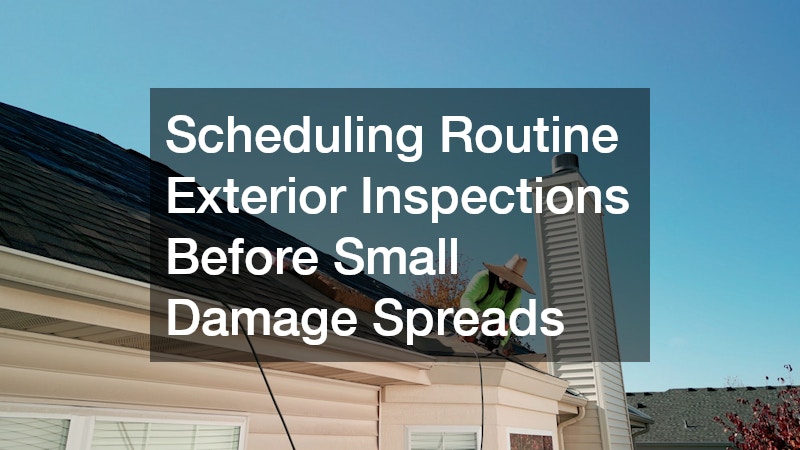
The outside of a property takes the first hit from weather, moisture, heat, debris, and age. That is why exterior inspections should never be treated as optional. A home can look fine from the curb while hidden damage is already developing around the roofline, siding, flashing, vents, or masonry.
For investors, the roof deserves particular attention because small leaks rarely stay small. A missing shingle, cracked seal, or minor flashing gap can lead to stained ceilings, wet insulation, mold concerns, and tenant complaints. By the time water appears inside the home, the original issue may have already spread. Scheduling roof repair early can protect the structure and prevent more expensive interior work later.
A good exterior check does not need to be complicated. Investors or property managers should look for:
- Lifted, curling, or missing shingles
- Sagging gutters or standing water near the foundation
- Stains under roof edges or soffits
- Cracked exterior caulking around windows and doors
- Soft spots, peeling paint, or visible rot
- Loose bricks, mortar gaps, or leaning masonry
Chimneys need the same kind of attention. They are easy to ignore when a property is rented, especially if the fireplace is rarely used. Still, damaged masonry, cracked caps, and deteriorating flashing can allow water into the home. Chimney repair is often far less expensive when handled before moisture reaches framing, ceilings, or interior walls.
One practical approach is to inspect the exterior twice a year: once after winter or storm season, and once before colder or wetter weather returns. Investors in areas with heavy storms, snow, high winds, or mature trees may need more frequent checks.
Photos are useful here. A property manager can take pictures of roof edges, gutters, chimney areas, siding, and drainage points during each visit. Over time, those photos create a record of wear. That record helps investors spot slow changes that might otherwise go unnoticed.
The key is consistency. Exterior damage often becomes expensive because nobody looks closely until something fails.
Keeping Water Away From the Foundation Before Problems Grow
Water is one of the biggest threats to a property’s long-term value. It moves quietly, travels behind walls, settles under flooring, and finds weak points in foundations. Investors may not notice the damage right away, especially if tenants do not report musty odors, small stains, or damp storage areas.
This is where preventive thinking matters. Basement waterproofing can be a smart investment when a property has a history of seepage, poor drainage, or moisture buildup. It may include sealing cracks, improving drainage, installing or maintaining sump pumps, correcting grading, or managing water around the foundation. The right solution depends on the property, but the goal is always the same: keep water from turning into structural damage.
A simple scenario makes the point. An investor buys a rental with a mostly dry basement, except for one corner that gets damp after heavy rain. The tenant uses the basement only for storage, so the issue seems minor. Two years later, that same corner has damaged drywall, ruined belongings, mold concerns, and a tenant asking for compensation. What began as a manageable drainage issue became a larger financial problem because it was easy to postpone.
Plumbing can create similar trouble. A plumbing inspection can uncover slow leaks, aging supply lines, corroded fittings, weak water pressure, worn shutoff valves, and early signs of drainage problems. These are not glamorous repairs, but they protect the property from some of the most expensive emergencies a landlord can face.
A practical water-prevention plan should include a few habits:
- Walk the property after heavy rain to see where water collects.
- Keep gutters clean and pointed away from the structure.
- Check under sinks, around toilets, near water heaters, and behind washing machines.
- Test sump pumps before storm season.
- Repair dripping fixtures before they damage cabinets, floors, or walls.
Water issues are rarely just water issues. They affect air quality, tenant comfort, resale value, and maintenance costs. Investors who control moisture usually control a major source of long-term risk.
Maintaining Mechanical Systems Before Efficiency Drops
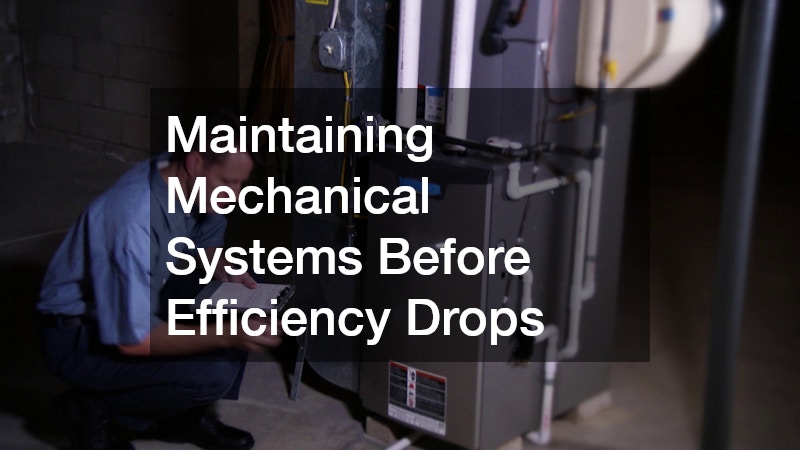
Mechanical systems have a direct effect on operating costs and tenant satisfaction. When heating, cooling, and water systems work properly, tenants rarely think about them. When they fail, the property owner hears about it immediately.
Air conditioning is a good example. In warm climates, a cooling failure can quickly become urgent. Even in moderate areas, poor cooling can lead to tenant frustration, bad reviews, lease nonrenewals, or emergency service premiums. Preventive service reduces those risks. Filters should be changed regularly, coils should be cleaned, refrigerant levels should be checked when needed, and unusual noises should be addressed before a full breakdown occurs. Delaying ac repair often leads to higher utility bills, shorter equipment life, and more expensive service calls.
Plumbing systems deserve the same attention because tenants use them constantly. Toilets, sinks, tubs, dishwashers, washing machines, and water heaters are all part of daily life. Small problems can become disruptive fast. Reliable plumbers can help investors identify patterns, such as repeated clogs, failing valves, poor water pressure, or fixtures that need replacement instead of another temporary fix.
This section of maintenance is less about dramatic emergencies and more about performance. A system that technically works may still be wasting money. An aging water heater may run inefficiently. A cooling system may struggle because of dirty coils. A toilet may waste water because of a worn flapper. A slow leak may be increasing the utility bill every month.
Investors should pay attention to tenant feedback without waiting for a crisis. Comments like “the house never cools down,” “the sink drains slowly,” or “the water pressure seems weaker” should not be dismissed. These remarks often arrive before a major failure.
A smart maintenance routine includes seasonal HVAC servicing, annual checks of water-using appliances, and clear tenant instructions for reporting issues early. Tenants should know that reporting a small problem will not automatically create conflict. In fact, it protects both sides. The tenant gets a better living experience, and the owner avoids larger repairs.
Preventing Underground Pipe Failures Before Occupancy Is Disrupted
Some of the most expensive property problems are the ones owners cannot see. Underground drain and sewer issues fall into that category. Everything may appear normal inside the home until drains back up, toilets overflow, or wastewater becomes a health concern.
For rental properties, this kind of problem is especially damaging because it can interrupt occupancy. A tenant may need temporary accommodations. Flooring, baseboards, or drywall may need replacement. Cleanup can be costly. In severe cases, the property may be partially unusable until repairs are completed.
Sewer line repair can become necessary for several reasons, including tree root intrusion, pipe collapse, corrosion, ground movement, or aging materials. Older properties are particularly vulnerable, but newer homes are not immune. Poor installation, heavy use, or recurring blockages can create problems at any age.
Investors should watch for early warning signs:
- Multiple drains slowing at the same time
- Gurgling sounds from toilets or tubs
- Sewage odors near drains or outside cleanouts
- Wet patches in the yard without an obvious cause
- Frequent backups after normal use
When repeated clogs happen, simply clearing the drain again may not solve the underlying problem. A camera inspection can show whether the issue is buildup, roots, pipe damage, or a low spot in the line. That information helps investors choose the right repair instead of paying for the same temporary service over and over.
A hydro jetting service can be useful when lines are clogged with grease, sludge, mineral buildup, or debris. It is not appropriate for every pipe in every condition, which is why inspection matters first. Used correctly, it can help restore flow and reduce the chance of recurring blockages.
The investor’s goal should be to avoid surprise failures. For properties with mature trees, older sewer lines, or a history of backups, scheduled inspections may be worth the cost. It is easier to plan service during a turnover period than to handle an emergency while a tenant is living in the home.
Underground systems may be out of sight, but they should never be out of mind.
Protecting Outdoor Amenities That Influence Rental Appeal
Outdoor amenities can help a rental stand out, but they also create added responsibility. A pool, patio, outdoor kitchen, deck, or landscaped yard may increase appeal and support higher rent. At the same time, these features can become expensive if they are ignored.
Pools are a good example because they affect safety, tenant satisfaction, liability, and property value. Weekly pool service can help maintain water balance, remove debris, monitor equipment, and catch early signs of wear. Without consistent care, water quality can decline quickly, pumps can strain, surfaces can stain, and tenants may stop seeing the pool as a benefit.
A pool also needs periodic professional evaluation. A pool inspector can assess equipment, surfaces, drains, fencing, gates, lights, and visible safety concerns. This is especially useful before buying a property, after major storms, before leasing a home with a pool, or during annual maintenance planning.
Investors should think beyond appearance. Clear water does not always mean the system is healthy. Pumps, filters, heaters, timers, and valves all need attention. Safety features matter as much as comfort. A loose gate latch, broken drain cover, or uneven deck surface can create liability exposure.
There is also a tenant-expectation issue. If a property is advertised with a pool, renters expect that pool to be usable and safe. When it is not, complaints can escalate quickly. Some lease agreements specify who handles day-to-day pool care, but investors should be careful about placing too much responsibility on tenants. A neglected pool can become costly fast.
The best approach is to define responsibilities clearly, schedule professional care, and document condition with photos. If the property has other outdoor amenities, apply the same logic. Decks should be checked for loose boards and railings. Patios should drain properly. Outdoor lighting should work. Fences should be stable. Small details shape how tenants experience the property.
A well-maintained outdoor area can help a rental feel cared for. That feeling can influence renewals, referrals, and long-term value.
Building a Year-Round Maintenance Calendar That Reduces Surprises
Preventive maintenance works best when it is scheduled, not remembered at random. Investors are busy. Property managers are busy. Tenants may not report small issues until they become inconvenient. A year-round calendar creates structure and removes guesswork.
The calendar does not need to be complex. It should reflect the property type, age, climate, tenant profile, and known risks. A single-family rental with mature trees and a basement needs a different plan than a newer condo with an HOA. A property in a hot climate needs different timing than one in a freeze-prone area.
A workable maintenance calendar might include:
- Spring: Check drainage, exterior damage, gutters, landscaping, cooling systems, and pest entry points.
- Summer: Monitor irrigation, outdoor amenities, cooling performance, and tenant-reported comfort issues.
- Fall: Inspect roof areas, heating systems, fireplaces, weatherstripping, and tree limbs near the home.
- Winter: Watch for pipe risks, interior moisture, heating performance, and storm-related damage.
The calendar should also include annual tasks that do not fit neatly into one season. These may include safety device testing, appliance checks, water heater review, lease-related property walks, insurance documentation, and capital improvement planning.
Investors should also keep a maintenance reserve. This is one of the most practical habits in real estate ownership. Even well-maintained properties need repairs. Setting aside a portion of rental income each month helps prevent panic when larger expenses arise. It also allows owners to make better decisions. Without reserves, investors may choose the cheapest short-term fix because cash is tight. That choice can cost more later.
Documentation matters just as much as scheduling. Keep records of inspections, invoices, warranties, photos, tenant reports, and repair timelines. These records help with taxes, insurance claims, vendor accountability, and resale negotiations. They also make it easier to see patterns. If the same drain backs up every six months, or the same room shows moisture after storms, the property is telling a story. Good records help investors hear it.
A calendar turns maintenance from a reaction into a system. That system protects the investment.
Turning Small Maintenance Decisions Into Stronger Long-Term Gains
Preventive maintenance is not always exciting. It often involves ordinary decisions: calling a technician before peak season, checking a damp corner, cleaning a drain line, repairing flashing, documenting a property walk, or replacing a failing part before it breaks. These choices may not feel like major investment moves, but they add up.
The financial benefit comes from reducing avoidable losses. Fewer emergency repairs. Fewer tenant complaints. Fewer vacancies caused by poor living conditions. Fewer inspection surprises during refinancing or resale. Better records. More predictable cash flow. Stronger confidence when holding the property long term.
Real estate investors often focus on acquisition, rent growth, appreciation, and financing. Those are important. Still, the property itself has to keep performing. A neglected home can turn a good deal into a weak one. A well-maintained home can protect returns even when the market slows or expenses rise.
The best investors tend to think several steps ahead. They do not wait for every system to fail before taking action. They build relationships with dependable vendors, listen to tenants, schedule inspections, and keep enough reserves to handle problems properly. They understand that maintenance is not separate from profitability. It is one of the ways profitability is preserved.
A property that is cared for consistently is easier to rent, easier to manage, and easier to sell. That does not happen by accident. It happens through steady attention, practical planning, and a willingness to address small issues before they become expensive ones.
