
A Better Way to Protect Your Home from Water Problems
A well-maintained plumbing system helps keep your home comfortable, efficient, and protected from expensive damage. Many homeowners only think about pipes, fixtures, and water flow when something stops working, but routine care can prevent many problems before they become emergencies.
Your plumbing system works every day behind walls, under floors, below the yard, and around appliances. Because so much of it is hidden, small issues can go unnoticed until they cause leaks, low water pressure, water damage, unpleasant odors, or rising utility bills. The good news is that a few consistent habits can make a major difference.
Maintaining your system does not mean becoming an expert. It means knowing what to check, how to use your fixtures wisely, when to take action, and when to bring in trained professionals. With the right approach, you can extend the life of your pipes, improve water efficiency, and avoid unnecessary stress.
Build a Simple Monthly Inspection Routine
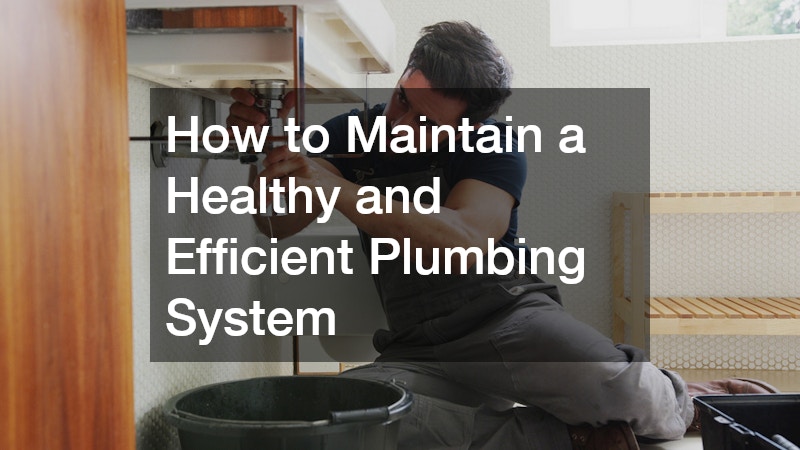
A monthly inspection is one of the easiest ways to catch small problems early. Start by checking under sinks in the kitchen, bathrooms, laundry room, and any utility areas. Look for moisture, stains, soft cabinet floors, musty odors, or mineral buildup around fittings. Even a slow drip can waste water and damage wood, drywall, and flooring over time.
Next, test faucets, toilets, showers, and tubs. Turn water on and off to check for weak flow, sputtering, unusual noises, or delayed drainage. Flush toilets and listen for running water after the tank refills. A toilet that runs quietly in the background can waste a surprising amount of water each month.
You should also pay attention to your water bill. If usage suddenly increases without a clear reason, there may be a hidden leak. In that case, professional plumbing services can help locate the source before the issue spreads. A trained technician can inspect areas that are difficult for homeowners to access and identify concerns that may not be obvious during a basic visual check.
Keep a short checklist on your phone or in a home maintenance folder. When inspections become routine, you are more likely to notice changes quickly.
Keep Water Moving Smoothly Through Your Drains
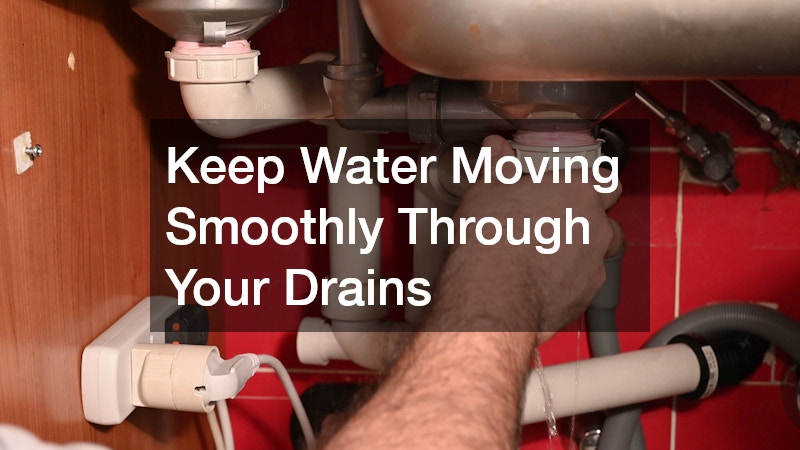
Drains are easy to ignore until they slow down or stop completely. To keep them working properly, be careful about what goes down them. In the kitchen, avoid sending grease, oil, coffee grounds, eggshells, rice, pasta, and fibrous food scraps into the sink. Even if you have a garbage disposal, these items can collect inside pipes and create stubborn buildup.
In bathrooms, use drain covers to catch hair and soap residue. Clean these covers regularly so water can pass through easily. Avoid flushing wipes, cotton balls, dental floss, paper towels, or hygiene products, even if packaging suggests they are flushable. Toilets and sewer lines are designed to handle waste and toilet paper only.
For routine care, flush drains with hot water after heavy use. You can also use a mixture of baking soda and vinegar occasionally, followed by hot water, to reduce light buildup. Avoid frequent use of harsh chemical cleaners because they can damage older pipes and may not fully remove deep clogs.
If several fixtures drain slowly at the same time, the problem may be farther down the system. Professional drain cleaning can clear buildup safely and thoroughly. If water backs up, odors appear, or plunging does not solve the issue, clogged drain repair may be needed to address the cause rather than just the symptom.
Protect Pipes from Age, Pressure, and Seasonal Stress
Pipes naturally wear down over time. The speed of that wear depends on material, water quality, usage, pressure, and environmental conditions. Older homes may have galvanized steel, polybutylene, or aging copper lines that are more likely to corrode, leak, or restrict water flow. If you do not know what type of pipes your home has, consider having them inspected.
Water pressure is another major factor. Pressure that is too high may feel convenient in the shower, but it can strain pipe joints, valves, appliances, and fixtures. Over time, excess pressure increases the risk of leaks and premature failure. A pressure gauge can help you check your home’s pressure, and a professional can install or adjust a pressure regulator if needed.
Seasonal changes also matter. In colder climates, exposed pipes in basements, crawl spaces, garages, and exterior walls should be insulated. Disconnect outdoor hoses before freezing weather and shut off exterior spigots if your home has interior shutoff valves. During extreme cold, opening cabinet doors and allowing a small stream of water to run can help reduce freezing risk.
If your home has repeated leaks, discolored water, poor pressure, or visible corrosion, repiping services may be worth discussing. Replacing old or failing pipe sections can improve reliability and reduce the risk of repeated water damage.
Improve Efficiency at Every Fixture
Fixtures play a major role in water use. Faucets, toilets, showerheads, and appliances should all be checked for performance and efficiency. A dripping faucet may seem minor, but it wastes water every day. Replacing worn washers, cartridges, or seals can often solve the issue quickly.
Toilets deserve special attention because leaks are not always visible. Add a few drops of food coloring to the tank and wait without flushing. If color appears in the bowl, the flapper or another internal part may need replacement. These parts are inexpensive, but ignoring the issue can lead to significant water waste.
Showerheads and faucet aerators should be cleaned if flow becomes uneven. Mineral deposits can block openings, especially in areas with hard water. Soaking removable parts in vinegar can often restore performance. For homes with persistent scale buildup, a water softener or filtration system may help protect fixtures and appliances.
When replacing fixtures, choose efficient models that match your household’s needs. Proper plumbing installation is important because even high-quality fixtures can leak or perform poorly if installed incorrectly. Secure connections, correct fittings, and proper sealing all help prevent future problems.
Respond Quickly When Something Seems Wrong
Small warning signs can become expensive if they are ignored. Water stains on ceilings, bubbling paint, warped flooring, mildew smells, or soft drywall may point to hidden moisture. Low water pressure, banging pipes, gurgling drains, and recurring clogs can also indicate deeper issues.
Do not rely only on visible leaks. Many problems happen behind walls or beneath floors. If you suspect a hidden issue, shut off water to the affected area when possible and investigate carefully. Know where your main shutoff valve is located before an emergency happens. Every adult in the home should know how to turn it off.
Some minor fixes, such as replacing a faucet washer or tightening a loose connection, may be manageable for confident homeowners. However, larger plumbing repairs should not be delayed or handled with temporary patches. Quick fixes like tape, sealants, or repeated plunging may buy time, but they rarely solve the underlying problem.
Document issues when they occur. Take photos, write down when you noticed the problem, and note whether it changes with certain fixtures or times of day. This information can help professionals diagnose the issue more efficiently.
Pay Attention to the Main Supply Path
The main supply path brings water into your home, so problems there can affect the entire property. Warning signs may include sudden drops in pressure, unexplained wet spots in the yard, foundation moisture, muddy areas when it has not rained, or unusually high water bills.
Underground lines can be affected by shifting soil, tree roots, corrosion, age, and nearby construction. Because these lines are buried, damage may not be obvious right away. A leak can continue for weeks or months before it becomes visible, wasting water and potentially affecting landscaping, driveways, or structural areas.
If you suspect a problem, avoid digging without guidance. Utility lines may be nearby, and the issue may not be exactly where water appears at the surface. Professional water line repair services can locate the damaged area and recommend the least disruptive solution.
Homeowners can reduce risk by planting trees away from underground utility paths, monitoring outdoor moisture changes, and keeping records of past repairs. If your home has an older supply line, periodic evaluation can help you plan ahead rather than react to a sudden failure.
Schedule Preventative Evaluations Before Emergencies Happen
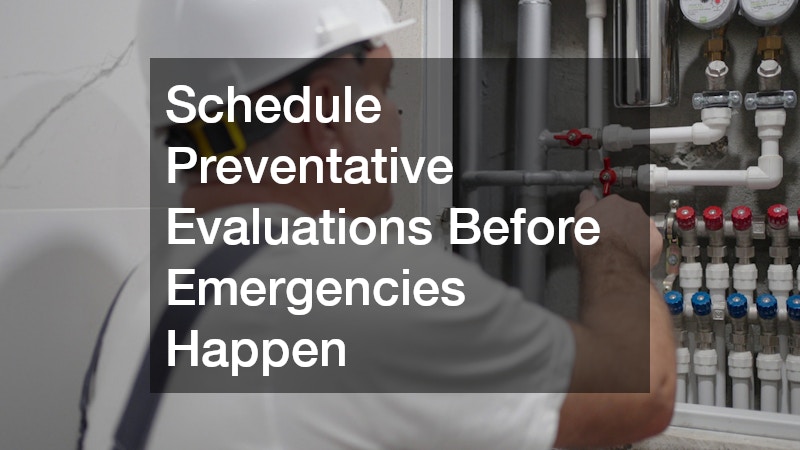
Even careful homeowners benefit from periodic professional evaluations. A trained eye can identify early signs of corrosion, pressure problems, fixture wear, hidden leaks, outdated materials, and drainage concerns. These inspections are especially useful before buying a home, renovating a bathroom or kitchen, finishing a basement, or installing new appliances.
During an evaluation, plumbers may check visible piping, shutoff valves, water heaters, supply lines, drains, toilets, faucets, and pressure levels. They may also look for signs of moisture around walls, ceilings, and floors. In some cases, camera inspections or leak detection tools may be recommended.
Preventative visits are not only for older homes. Newer homes can also have installation defects, pressure issues, or fixture problems. Catching these concerns early helps preserve warranties, avoid property damage, and keep the system working efficiently.
Ask questions during the visit. A good professional should explain what they find, which items are urgent, which can be monitored, and what maintenance steps you can take yourself. This helps you make informed decisions instead of feeling pressured during an emergency.
Plan Upgrades Before Old Parts Fail

A smart maintenance plan includes future upgrades. Instead of waiting for something to break, look at the age and condition of major components. Water heaters, shutoff valves, supply hoses, sump pumps, pressure regulators, and older fixtures all have limited service lives.
Start with high-risk areas. Washing machine hoses, dishwasher connections, refrigerator water lines, and water heater connections should be inspected regularly. Replacing old rubber hoses with braided stainless steel options can reduce the chance of sudden leaks. Make sure every major fixture or appliance has a working shutoff valve nearby.
If you are remodeling, adding a bathroom, upgrading a laundry room, or changing the layout of a kitchen, work with a qualified plumbing contractor. Planning pipe routes, venting, drainage slope, fixture placement, and code compliance early helps prevent expensive changes later.
Choosing the right plumbing company also matters. Look for proper licensing, insurance, clear communication, strong reviews, transparent estimates, and experience with the type of project you need. A reliable team can help you prioritize upgrades based on safety, efficiency, budget, and long-term value.
Create a Long-Term Maintenance Calendar
A maintenance calendar makes plumbing care easier to manage. Monthly tasks can include checking for leaks, cleaning drain covers, testing toilets, and looking under sinks. Seasonal tasks may include insulating exposed pipes, disconnecting hoses, checking outdoor spigots, and preparing for heavy rain or freezing temperatures.
Annual tasks can include a professional inspection, water heater maintenance, pressure checks, and review of older fixtures or appliances. Keep receipts, inspection notes, warranties, and repair records in one place. These records are useful when selling your home, planning upgrades, or diagnosing recurring issues.
A long-term calendar also helps you budget. Instead of being surprised by large expenses, you can plan for replacements and improvements. For example, if your water heater is nearing the end of its expected lifespan, you can research options before it fails. If several fixtures are aging, you can replace them in stages.
The goal is not to eliminate every possible problem. No home system lasts forever. The goal is to reduce preventable damage, improve efficiency, and make better decisions before emergencies force your hand.
Long-Term Care Makes Every Part of Your Home Work Better

A healthy plumbing system supports comfort, cleanliness, safety, and daily convenience. When it is cared for consistently, your home is less likely to experience sudden leaks, water waste, fixture failures, and avoidable damage.
The best approach is a combination of simple habits, regular inspections, smart upgrades, and timely professional support. Check visible areas often, pay attention to changes, protect your pipes from seasonal stress, and respond quickly when something feels off.
By making maintenance part of your normal home care routine, you can protect your property, control costs, and keep water moving where it should. A little attention throughout the year can save you from major repairs and help your home run more efficiently for years to come.
