
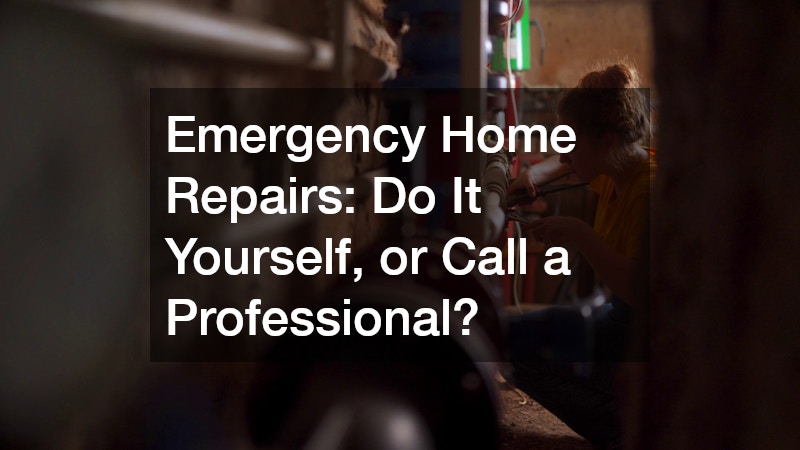
Home emergencies can strike at any time, often when you least expect them. Whether it’s a sudden plumbing issue, a power outage, or storm damage, the decisions you make in the first moments can significantly impact your safety, your property, and your wallet. Some situations are manageable with a few tools and a careful hand, while others require professional expertise to avoid further damage or serious injury.
This article offers a comprehensive guide for homeowners facing emergencies, helping you evaluate when to tackle repairs yourself and when calling a professional is the safer, smarter choice. With practical advice for each scenario, you’ll gain confidence in navigating emergencies without panic.
Assessing the Scope of the Problem

Determining whether an issue can be handled safely on your own or requires professional intervention is critical. Begin by observing the extent of the damage without touching anything that could pose an immediate danger. For example, in the case of water leaks, check the source and note whether it’s a minor dripping faucet or a burst pipe flooding the area. Standing water or persistent moisture can also attract unwanted pests, making timely pest control an important consideration during emergencies.
Similarly, if you encounter structural damage, such as cracks in walls or ceilings, document the size, location, and any changes from previous inspections. Take photos for insurance purposes and keep a written record of the timeline of events. Evaluating the severity early allows you to make informed decisions about the urgency and type of response needed, avoiding rushed choices that could worsen the situation and create secondary problems such as infestations or further structural damage.
Handling Electrical Emergencies Safely
Electrical problems are among the most hazardous home emergencies a homeowner can face. While some issues, such as tripped circuit breakers, dead outlets, or flickering lights, can be addressed safely, others require immediate professional assistance. Even minor mistakes with electricity can lead to fires, shocks, or long-term damage to your home’s wiring. Knowing the proper steps and preparing in advance can help protect both your family and your property. Key tips for homeowners include:
-
Shut off the main power supply if sparks, burning smells, or smoke are detected. This is the first and most important safety step to prevent further hazards.
-
Avoid touching exposed wires or attempting complex repairs if you lack electrical experience. Even small contact with live wiring can result in serious injury.
-
For persistent outages or issues involving high-voltage appliances, contact a local emergency electrician promptly. Professionals have the training and tools to safely diagnose and fix these problems.
-
Keep a list of certified electricians in your area and understand their availability for after-hours emergencies. Having this information on hand can save crucial time during urgent situations.
-
Ensure all temporary fixes, such as unplugging appliances or using extension cords, do not overload circuits. Overloading can quickly escalate into a fire hazard and further damage your home’s electrical system.
-
Regularly inspect outlets, cords, and breakers for signs of wear, fraying, or overheating. Early detection allows for preventative repairs before emergencies occur.
Understanding the limits of DIY electrical work and having a professional readily available can prevent fires, electrocution, or long-term damage to your home’s wiring system. Taking a cautious, proactive approach ensures both safety and peace of mind during unexpected electrical emergencies.
Managing Plumbing and Septic Issues
Plumbing emergencies can quickly escalate if left untreated. Minor leaks, clogged drains, and running toilets are often manageable with household tools and cleaning solutions. Start by shutting off the water supply to prevent flooding. Use a plunger or auger to clear blockages in sinks and toilets, and keep a container handy to catch residual water. Monitoring water pressure and looking for small leaks under sinks can prevent larger issues over time.
However, some problems go beyond simple fixes, especially when they involve a septic system. Signs that professional intervention is necessary include foul odors, slow-draining fixtures throughout the house, or visible backup near the septic tank. Septic repair requires specialized knowledge to avoid contamination, soil damage, and costly fines. Attempting repairs without proper experience can lead to prolonged problems and significant expense. In such cases, calling a licensed septic technician ensures the issue is addressed safely and efficiently.
Responding to Storm-Related Tree Hazards
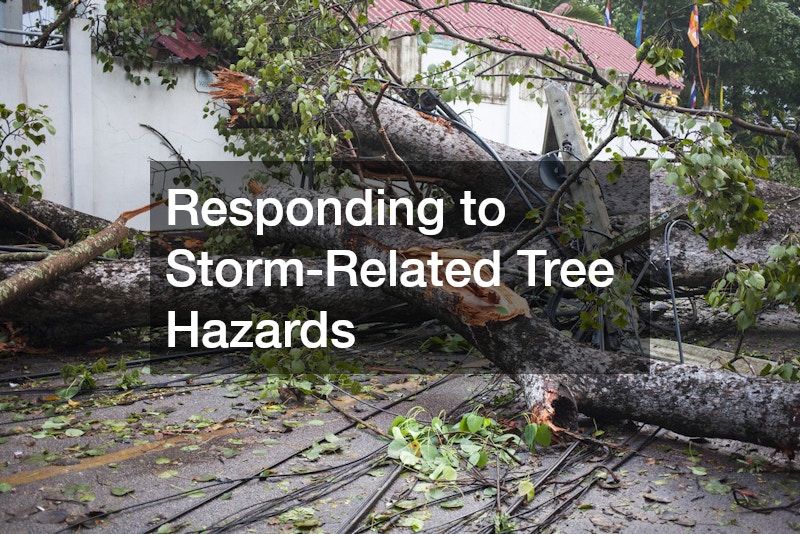
Severe weather can quickly create dangerous tree situations. A partially fallen branch, a split trunk, or a tree leaning toward your home can become major hazards if ignored. Acting quickly and safely can prevent injury, property damage, and further complications. Key considerations for homeowners include:
-
Evaluate the tree’s stability from a safe distance and avoid standing directly under it. Take note of cracks, leaning angles, and broken limbs to assess risk.
-
Remove smaller branches yourself using proper safety gear, like gloves, eye protection, and sturdy footwear. Only attempt this if the branches are clearly manageable and do not threaten your safety.
-
Use ropes or temporary braces to prevent minor leaning trees from causing immediate damage. Securely anchoring branches or trunks can provide short-term stability until professional help arrives.
-
Call for emergency tree removal if the tree threatens structures, power lines, or your family’s safety. Certified arborists have the experience and equipment to handle large or unstable trees safely.
-
Keep emergency numbers for certified arborists or tree removal services readily accessible. Having these contacts on hand before a storm can save valuable time during urgent situations.
-
Inspect surrounding trees for damage after storms to prevent future hazards. Look for weakened limbs, split bark, or signs of disease that could make other trees vulnerable.
Addressing tree emergencies promptly protects your home and family while minimizing costly property damage. While temporary measures can reduce immediate risk, professional removal or pruning is often necessary for large, unstable trees, ensuring both safety and long-term protection for your property.
Securing Your Garage and Entry Points
A malfunctioning garage door can compromise your home’s security and functionality. Minor issues, such as a door that won’t close fully or a misaligned track, can often be addressed with household tools. Tightening bolts, lubricating rollers, or checking sensors can restore proper operation in some cases. Additionally, creating temporary barriers using boards or locks can secure the space while waiting for more extensive repairs.
However, certain scenarios require expert attention. If the door is completely jammed, the opener motor is malfunctioning, or the door is at risk of collapsing, emergency garage door repair is necessary. Professionals have the equipment and knowledge to safely handle heavy doors, repair springs, and fix automated systems. Attempting to repair large, tensioned components on your own can result in serious injury or further damage to your home.
Maintaining Structural Integrity
Foundation issues can be subtle but potentially catastrophic if left unattended. Homeowners can monitor for signs of trouble by watching for cracks in walls, uneven floors, doors that stick, or gaps around windows. Some small cracks may be filled temporarily with sealant to prevent water intrusion and slow the progression of damage until professional help arrives.
-
Inspect the perimeter of your home for water pooling near the foundation and check downspouts and drainage systems for proper function.
-
Use sandbags or temporary barriers to redirect surface water away from the base and prevent erosion or seepage that could worsen structural problems.
-
Schedule routine inspections by a foundation repair specialist to detect early structural shifts and receive professional recommendations for repairs.
-
Avoid heavy construction or excavation near the foundation until the problem is evaluated, as vibrations or added weight can exacerbate instability.
-
Take photos and notes to track progression, which helps professionals diagnose issues and plan appropriate interventions.
-
Be alert for unusual sounds such as creaking or popping in walls or floors, which can indicate shifting or internal stress.
Timely intervention by experts ensures long-term stability and prevents costly damage, while short-term DIY measures can reduce immediate risk, protect your home from worsening conditions, and give you time to plan professional repairs safely.
Roof Damage: Temporary Measures vs. Professional Help
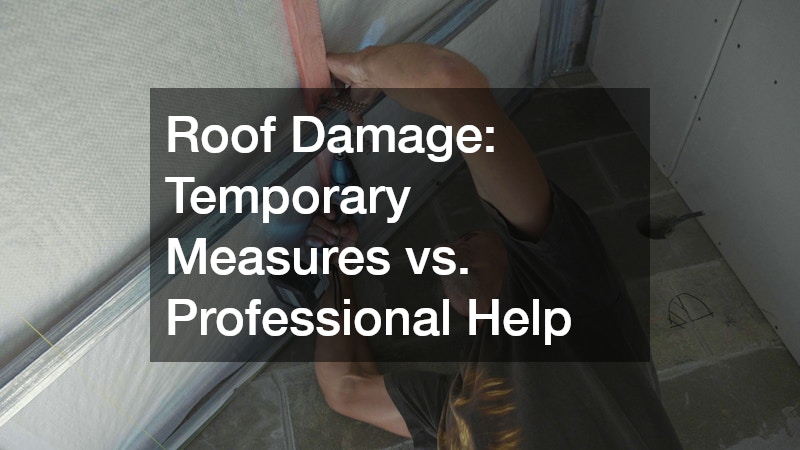
Roof damage is one of the more complex home emergencies, often caused by storms, falling debris, or aging materials. For minor issues such as small leaks, temporary DIY measures like tarps or roofing tape can prevent water intrusion until a professional can address the problem. Check the attic for signs of water entry, including discoloration, mold, or damp insulation.
Major issues, however, require specialized roofers. Professionals can identify underlying damage, ensure proper sealing, and replace shingles or structural components safely. Attempting to climb a steep or unstable roof without experience can be extremely dangerous. Professional roofers have the equipment, knowledge, and safety protocols to handle repairs that protect both your property and personal safety.
Protecting Your Home During Severe Weather
Homeowners can take several steps to reduce risk during extreme weather events by preparing their living spaces, emergency systems, and safety routines. For instance, a storm shelter provides a secure refuge during tornadoes, hurricanes, or severe wind events, helping protect both family members and pets. Preparation and maintenance tips include:
-
Inspecting the shelter for cracks, leaks, or structural damage before storm season and repairing any issues promptly to maintain safety.
-
Stocking essential supplies such as water, non-perishable food, flashlights, batteries, blankets, and first-aid kits to ensure everyone’s basic needs are met.
-
Keeping a communication plan to reach family members, neighbors, or emergency services in case of isolation or power outages.
-
Securing windows, doors, and loose objects around the yard that could become dangerous projectiles during high winds.
-
Ensuring backup power sources or generators are functional and have sufficient fuel for prolonged outages.
-
Practicing emergency drills to ensure everyone in the household knows how to reach the shelter quickly and safely, including children and pets.
By combining proactive preparation with proper maintenance and clear emergency planning, homeowners can minimize risk, increase confidence during storms, and ensure that the shelter serves its purpose effectively when it is needed most.
Water Safety and Quality
Maintaining safe and clean water is crucial for every household. Homeowners can perform basic checks, such as inspecting faucets and testing for unusual taste, odor, or discoloration. Filters can reduce some contaminants, but more complex issues require professional testing. Well water, in particular, may harbor bacteria, nitrates, or heavy metals.
Professional well water testing ensures accuracy and compliance with health standards. Experts can perform comprehensive testing for contaminants that DIY kits might miss and provide guidance for remediation if needed. Regular testing is especially important after heavy rainfall, flooding, or nearby construction that may impact water quality. Protecting your family’s health depends on understanding when simple checks are insufficient and relying on professionals to identify hidden hazards.
Preventing Water Damage and Moisture Issues
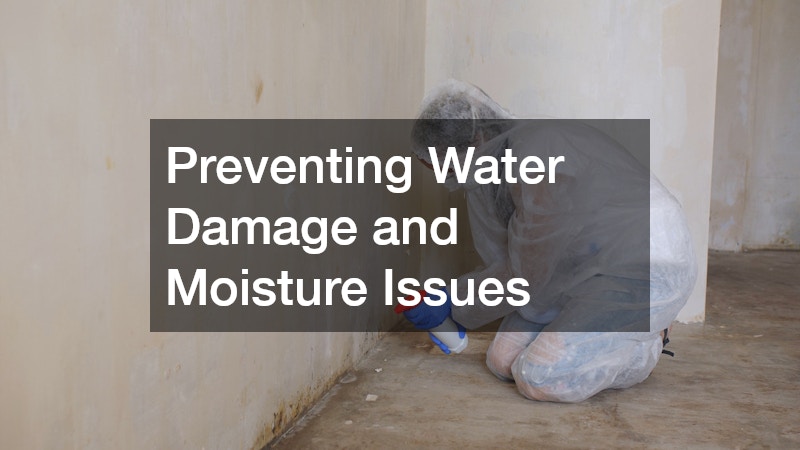
Moisture intrusion is a common cause of long-term damage in homes, leading to mold growth, wood rot, and structural compromise. Homeowners can take preventive measures to address small leaks, seal cracks, and maintain gutters and downspouts. Monitoring basements, crawl spaces, and other hidden areas for dampness is essential to prevent expensive repairs later.
-
Use temporary sealants around windows, doors, and foundation cracks to reduce immediate moisture entry and protect vulnerable areas during heavy rain.
-
Inspect plumbing lines, appliances, and drainage systems regularly for leaks, corrosion, or signs of wear that could contribute to water damage.
-
Ensure proper ventilation in areas prone to humidity, such as bathrooms, laundry rooms, and kitchens, to discourage mold growth and condensation buildup.
-
Keep household moisture levels under control using dehumidifiers, fans, or other air circulation strategies to maintain a dry indoor environment.
-
Hire a professional waterproofer for long-term solutions, such as basement coatings, foundation sealing, or sump pump installation, especially in areas prone to flooding.
-
Schedule periodic inspections to identify and address potential issues before they escalate into serious structural problems or mold infestations.
Combining routine maintenance with professional intervention provides lasting protection against water-related damage, preserves the integrity of your home, and ensures your living environment remains safe, dry, and comfortable for your family.
Emergency home repairs test both your resourcefulness and your judgment. From electrical hazards to plumbing, structural, and storm-related emergencies, each scenario has distinct challenges and appropriate responses. Keeping a list of reliable local experts, performing routine maintenance, and preparing for common emergencies allows homeowners to act confidently, minimizing damage and stress. Thoughtful preparation and informed decision-making make it possible to navigate any home emergency with calm and effectiveness.
