

Scrolling through weekend DIY videos can make almost any home project look simple, but the line between a satisfying Saturday job and a costly mistake is often thinner than it appears. Some tasks genuinely save money and build confidence when handled yourself, while others carry risks to your safety, your home’s structure, or your wallet if they go wrong. Knowing which projects fall into which category can save you from expensive repairs, failed inspections, or worse. This guide breaks down common home projects so you can decide with confidence what to pick up and what to hand off.
Painting Interior Rooms Yourself
Painting is one of the most beginner-friendly projects a homeowner can take on, and it remains one of the best ways to refresh a room without a major investment. With basic tools like painter’s tape, drop cloths, and a quality roller, most people can produce professional-looking results within a weekend. The learning curve is forgiving too, since mistakes like drips or uneven lines can usually be sanded down or painted over.
The key to success is preparation rather than the painting itself. Cleaning walls, patching holes, and applying primer takes more time than the actual coat of paint, but skipping these steps is where amateur jobs start to look amateur. Investing in slightly higher-quality paint also pays off, since it covers better and requires fewer coats.
Mowing and Trimming Your Own Lawn

Basic lawn mowing, edging, and trimming are tasks most homeowners can manage with a reasonable amount of time and a decent mower. It is a repetitive but low-risk project that rewards consistency more than skill, and doing it yourself can keep monthly expenses down. That said, larger properties or lawns with complex landscaping features can turn this simple chore into a significant time commitment.
Many homeowners eventually find that hiring out lawn care services makes more financial sense once they calculate the hours spent mowing, fertilizing, and dealing with seasonal cleanup. Professionals also bring equipment for aeration, overseeding, and weed control that most homeowners do not own. If your weekends are constantly eaten up by yard work, it may be worth pricing out recurring help rather than doing everything solo.
Replacing Cabinet Hardware and Light Fixtures
Swapping out cabinet handles, doorknobs, or light fixture covers is a low-risk way to update a space without hiring anyone. These projects typically require only a screwdriver and a bit of patience, and the cost of parts is often the biggest expense involved. Measuring hole spacing before buying new hardware prevents the frustration of mismatched holes later.
- Turn off power at the breaker before touching any wired fixture
- Keep old screws and mounting plates in case new hardware needs adjusting
- Test fixtures with a non-contact voltage tester before handling wires
- Take photos of wiring configurations before disconnecting anything
Unclogging Drains With Basic Tools
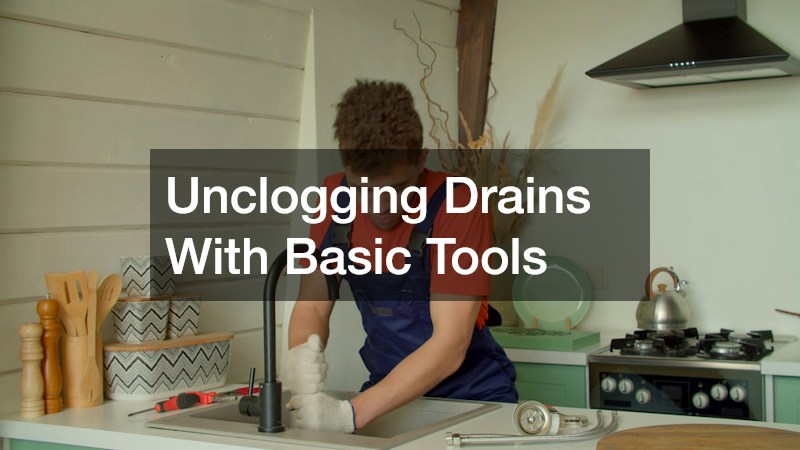
Slow or clogged drains are often within the reach of a motivated homeowner, especially when the problem is a simple hair or soap buildup near the surface. A plunger, a drain snake, or a mixture of baking soda and vinegar can resolve many minor clogs without any special equipment. These fixes are inexpensive and can be done in under an hour.
However, recurring clogs or slow drainage throughout multiple fixtures in the house often point to a deeper problem in the main line. At that point, professional drain cleaning becomes the smarter choice, since technicians use cameras and specialized tools to find blockages that a store-bought snake cannot reach. Attempting to force a stubborn clog yourself can sometimes push debris further into the pipe or damage older plumbing.
Installing Shelving and Minor Storage Solutions
Putting up floating shelves, closet organizers, or garage storage systems is a satisfying project that typically requires a drill, a level, and some patience with a stud finder. These upgrades make a noticeable difference in how a home functions day to day. Most kits sold at hardware stores come with clear instructions designed for non-professionals.
The biggest mistake people make here is skipping the stud finder step and relying on drywall anchors alone for heavy items. Anchors work fine for lightweight decor, but anything meant to hold significant weight should be secured into a stud whenever possible. Taking a few extra minutes to plan placement can prevent shelves from sagging or pulling out of the wall months later.
Repairing or Replacing a Home Air Conditioning System
Cooling systems are complex, and this is one area where DIY instincts can lead to real trouble. Refrigerant handling requires certification in most areas, and improper handling can damage the compressor or release harmful chemicals. Even diagnosing a problem correctly, whether it is a failing capacitor or a refrigerant leak, takes specialized tools and training that most homeowners simply do not have.
Calling a professional for AC repair is almost always the better financial decision in the long run, since a misdiagnosed issue can turn a small fix into a full system replacement. Technicians can also spot early warning signs, like a failing fan motor or clogged condenser coils, before they cause a complete breakdown. Many companies that offer HVAC services also provide maintenance plans, which can make it easier to stay on top of inspections throughout the year. Regular maintenance visits tend to cost far less than emergency repairs during a heat wave.
Addressing Furnace and Heating System Issues
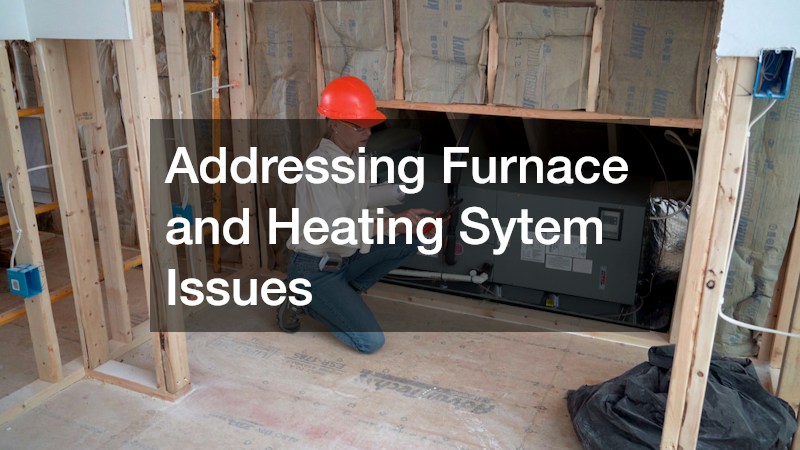
Heating systems, whether gas, electric, or oil-based, involve components that can pose serious safety risks if mishandled. A furnace that is not functioning correctly can leak carbon monoxide, and gas lines should never be adjusted by anyone without proper training. Even something as seemingly simple as replacing an igniter can go wrong if the system is not fully powered down and understood first.
Scheduling heating repair with a licensed technician ensures the system is inspected for cracks, leaks, and wear that are not visible to an untrained eye. Many heating problems also affect warranty coverage if unauthorized repairs are attempted, which can cost homeowners later if a major component fails. A once-a-year professional tune-up catches small issues before winter turns them into emergencies.
Maintaining Your Home’s Septic System
A septic system works quietly in the background until something goes wrong, and by then the fix is rarely simple. Homeowners can handle basic maintenance, like being mindful of what goes down the drains and keeping heavy equipment off the drain field. But the actual emptying and inspection of the tank is not a do-it-yourself task.
Scheduling routine septic pumping every three to five years, depending on household size and usage, prevents the kind of backup that can flood a yard or damage plumbing inside the house. Technicians can also spot early signs of a failing drain field or a cracked tank during a routine pumping visit. Ignoring this maintenance is one of the most expensive mistakes a homeowner can make, since full system replacement costs far more than regular upkeep.
Tackling Structural and Foundation-Related Work
Any project involving a home’s structural integrity should be approached with extreme caution, and most should be left to licensed contractors or structural engineers. This includes work involving bar joists in a basement or garage renovation, since these components support significant weight and require precise engineering knowledge to modify safely. Drilling through a joist to run ductwork, notching it for plumbing, or cutting one out entirely to open up a floor plan can compromise the entire structure above it. Warning signs that a project has crossed into structural territory include removing any wall that runs perpendicular to floor joists, altering support columns, or modifying anything connected to the foundation itself. Even seemingly minor changes, like enlarging a doorway or removing a chimney chase, can affect load paths in ways that aren’t obvious to an untrained eye. Removing or altering a load-bearing element without proper temporary support, such as adjustable steel jack posts or a properly sized beam, can lead to serious structural failure, including sagging floors, cracked drywall, or in worst cases, partial collapse. A structural engineer can typically assess a project and provide stamped plans for a few hundred to a couple thousand dollars, a small price compared to the cost of repairing a botched renovation or, worse, ensuring everyone’s safety.
Similarly, projects that involve filling voids under slabs, around pipes, or in excavation areas often call for flowable fill rather than standard concrete or compacted soil. This self-leveling mixture of sand, cement, water, and fly ash flows into tight or irregular spaces that would be nearly impossible to compact properly by hand, and it typically cures within a few hours to a day, depending on the mix design. Because it settles evenly, it significantly reduces the risk of future sinking or voids forming underneath your slab. Getting this wrong can cause uneven floors, cracked foundations, or drainage issues that don’t show up until months later. A contractor knows how to calculate the right mix strength, account for soil conditions, and ensure proper curing time before the area is load-bearing again. DIYers often underestimate how much material is needed or pour it incorrectly, leaving air pockets that compromise the whole repair. These are not projects to learn through trial and error, given how expensive and disruptive mistakes can be. Re-excavating a failed pour or repairing a cracked foundation slab can cost several times what the original flowable fill job would have, not to mention the headache of displaced utilities or damaged flooring above. When structural integrity is on the line, it’s worth paying for expertise upfront rather than gambling on a fix that might not hold.
Replacing a Roof or Building a Safe Room
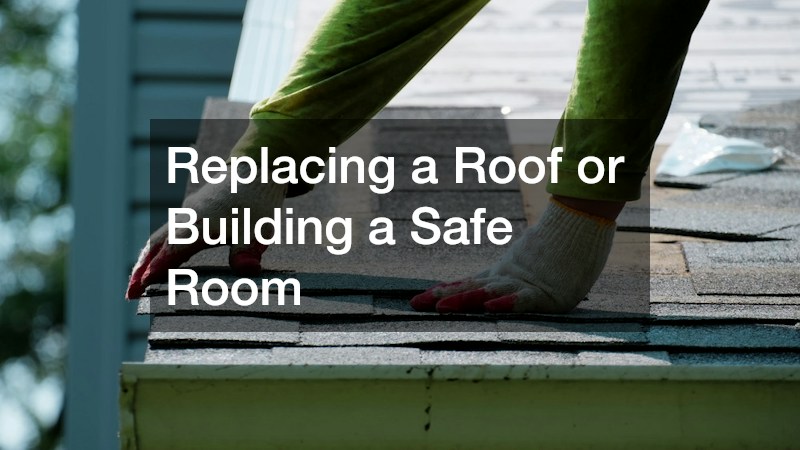
Few projects carry as much risk as a full roof replacement, both in terms of physical danger and the cost of getting it wrong. Falls from roofs send thousands of homeowners to the emergency room every year, and that risk only climbs on steep pitches or multi-story homes. Working at height, handling heavy materials like bundles of shingles or sheets of plywood, and ensuring proper flashing and ventilation all require experience that most homeowners do not have. There’s also a technical side that’s easy to underestimate. Underlayment has to be installed correctly to prevent water intrusion, flashing around chimneys and vents needs precise fitting, and attic ventilation must be balanced to avoid trapping heat and moisture. Get any of these wrong and you may not see the consequences for months, by which time rot or mold has already taken hold. A poorly installed roof can lead to leaks, mold, and structural damage that cost far more to fix than the original job — sometimes tens of thousands of dollars in repairs to rafters, decking, or insulation. Many manufacturers also void shingle warranties if the installation wasn’t done by a certified contractor, leaving a DIYer with no recourse if materials fail prematurely. Given the combination of safety risk, technical complexity, and long-term cost exposure, roof replacement is one project best left to licensed professionals with proper harnesses, insurance, and training.
Replacing a roof is rarely a beginner-friendly weekend project, even though tutorials make it look straightforward. Walking on a steep pitch is dangerous without proper harnesses and fall protection, and a single misstep in underlayment or flashing installation can lead to leaks that rot decking and damage insulation long before the problem becomes visible. Professional roofers also know how to properly layer shingles, vent the attic space, and flash around chimneys and skylights, details that significantly affect how long a roof lasts and whether it holds up under heavy rain or wind. Building a storm shelter is another project best left to professionals, since it involves precise engineering to withstand extreme wind loads and impact from debris. Shelters are often rated to FEMA P-320 standards, which require withstanding winds up to 250 mph and resisting penetration from wind-borne debris like a flying 15-pound 2×4. A shelter that is not properly anchored to a concrete slab or reinforced with the correct steel or concrete walls may fail exactly when it is needed most, offering a false sense of security instead of real protection. For both of these projects, bringing in licensed contractors who understand local building codes and permitting requirements ensures the work holds up to inspection and performs as intended when it matters most. Contractors can also help you navigate warranty requirements, since many roofing material manufacturers void coverage if installation isn’t done by a certified installer. Ultimately, the upfront cost of hiring professionals is a worthwhile trade-off for protecting both your home and your family when the stakes are this high.
The best approach to home improvement is not doing everything yourself or hiring out every task, but knowing where your skills, time, and tools genuinely match the job. Simple cosmetic updates and routine maintenance are often worth the effort and savings of a DIY approach. Anything involving electrical systems, structural components, or major mechanical systems deserves a professional’s judgment, even if it costs more upfront. Take stock of your next project honestly, and when in doubt, a quick consultation with a licensed expert can save you from a far more expensive fix later.
