
Key Takeaways
- Effective cockroach control combines prevention, monitoring, and suitable treatment methods.
- Regular cleaning, secure food storage, and proper waste management help reduce food sources that attract cockroaches.
- Sealing cracks, repairing leaks, and reducing clutter can limit hiding places and access to water.
- Baits and other approved treatments may help manage infestations when used according to product label instructions.
- Professional pest control can help identify infestation sources and recommend appropriate treatments when cockroach activity persists.
- Temperature, humidity, sanitation, and surrounding environmental conditions can influence cockroach activity and control efforts.
Cockroaches can thrive in homes where food, water, and sheltered hiding places are readily available. An infestation may be difficult to manage because these pests can hide in cracks, cupboards, and other hard-to-reach areas. Effective cockroach control involves understanding where cockroaches hide, reducing the conditions that attract them, and choosing suitable treatment methods.
Homeowners can take preventive steps such as storing food securely, repairing leaks, and sealing entry points. When an infestation persists or spreads, professional pest control may help identify the source and determine an appropriate treatment plan. Understanding these methods can help homeowners manage cockroach problems more effectively and maintain a cleaner living environment.
This article explores the frequently asked questions surrounding cockroach control strategies, delving into effective home remedies, the role of professional exterminators, preventive measures, suitable pesticides, and the influence of environmental conditions on cockroach populations. Through a comprehensive approach, we can better manage and prevent infestations, promoting a healthier living space.
What are the most effective home remedies for cockroach control?
Home remedies for cockroach control can be both cost-effective and environmentally friendly. A popular method is the use of natural deterrents like bay leaves, which cockroaches tend to avoid due to their pungent odors. Another natural remedy involves creating a mixture of boric acid and sugar, placed strategically in areas frequented by cockroaches. Boric acid, an effective insecticide, disrupts the cockroach’s digestive system when ingested, while the sugar acts as bait. Despite their effectiveness, these remedies should be used with caution, especially in homes with pets and children.
Essential oils such as peppermint and tea tree oil are also known for their repellent properties against cockroaches. A few drops mixed with water can be sprayed in crevices and corners where cockroaches like to hide. Regular cleaning and sanitation are crucial home practices that can significantly reduce the likelihood of infestations. By depriving cockroaches of food sources and potential nesting sites, these simple actions bolster the overall effectiveness of home remedies. It’s important to remember that consistency is key when using home remedies, as cockroaches are resilient and may require continued efforts to be effectively controlled.
In addition, using diatomaceous earth can be a non-toxic solution to deter cockroaches. This powder, derived from fossilized algae, penetrates the waxy layer of the cockroach’s exoskeleton leading to dehydration and eventual death. Placing diatomaceous earth in dark, damp areas can prevent cockroach colonization over time. However, it should be noted that while effective, diatomaceous earth requires consistent application and does not provide immediate results. Home remedies work best as part of an integrated pest management plan, which may also involve professional pest control services for extensive infestations.
How do professional exterminators control cockroaches?
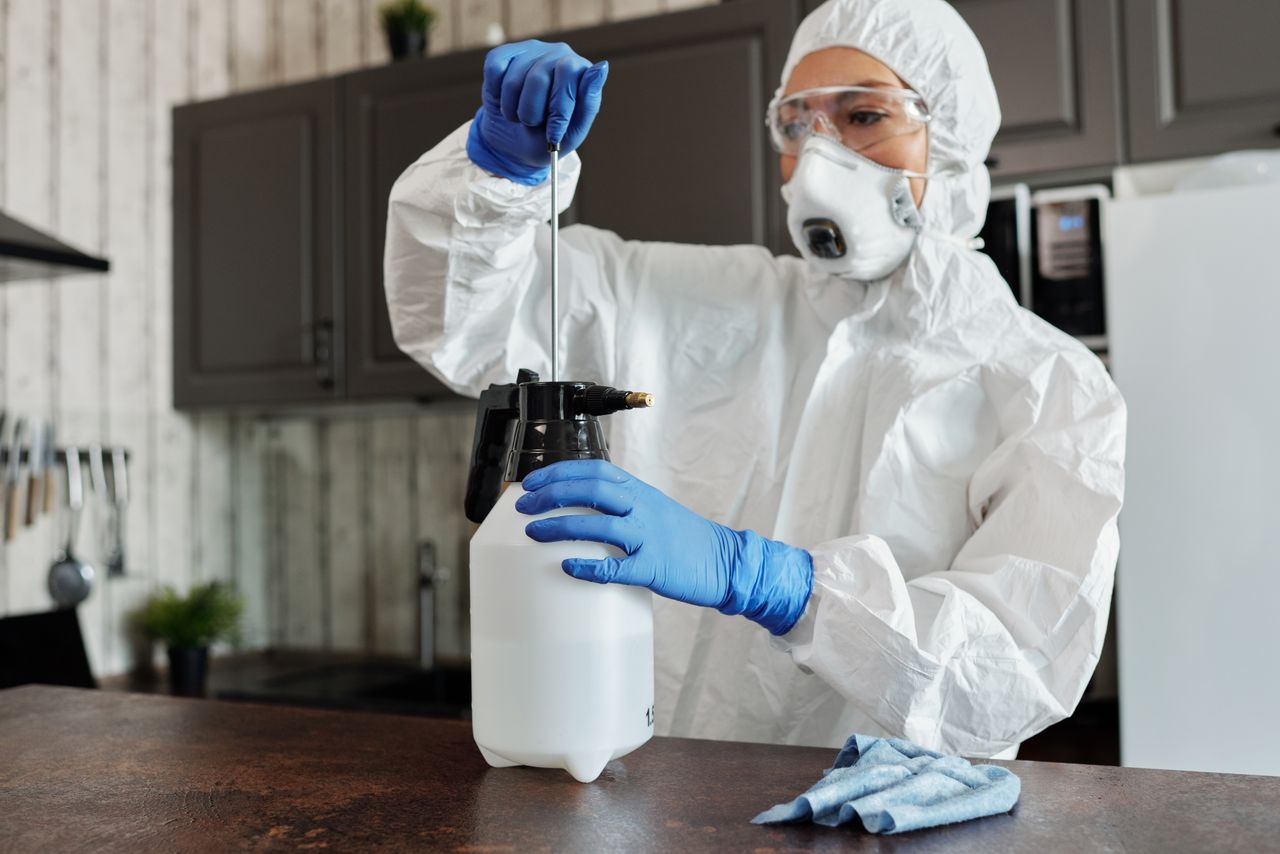
Professional exterminators employ a range of sophisticated techniques that home remedies may not cover. The first step often involves a thorough inspection, identifying the extent and locations of the infestation. Exterminators use various tools to detect cockroach activity, including sticky traps and baits strategically placed to monitor and reduce populations. With decades of experience and specialized knowledge, they are adept at pinpointing hidden nests and hotspots that are typically missed by the untrained eye.
After assessment, exterminators often utilize a combination of pesticides and baits tailored to the species of cockroach and the size of the infestation. Integrated Pest Management (IPM) is a common approach, combining chemical, biological, and mechanical techniques to minimize risks to humans and the environment. Gel baits are frequently used in residential settings as they provide a discreet, effective solution without the need for extensive spraying. Besides, many professional services offer eco-friendly and low-toxicity options for those concerned with environmental impact.
Follow-up visits play a critical role in maintaining control over cockroach populations. Professionals will typically revisit the treated site to ensure the pests have been effectively managed or eliminated. This continuity is especially important as cockroaches can develop resistance to certain chemicals over time. Furthermore, exterminators provide valuable advice on preventive measures, helping clients modify their environments to make them less attractive to cockroaches. By employing professional extermination services, homeowners can achieve long-lasting results and better manage infestations.
What preventative measures can I take to avoid cockroach infestations?
Effective prevention involves habitat modification, which makes spaces less inviting to cockroaches. Ensuring cleanliness by regularly vacuuming floors, wiping down surfaces, and taking out the trash can prevent cockroaches from accessing food and water sources. Sealing entry points such as cracks and crevices denies cockroaches access to homes and buildings. Proper food storage in airtight containers and maintaining dry conditions can further discourage cockroach incursion. Prevention is much easier and more sustainable than dealing with an established infestation.
Equipment maintenance is another key preventive measure; leaky pipes and faucets should be repaired promptly to eliminate water sources. Homeowners should also focus on minimizing clutter, as cockroaches thrive in hidden, undisturbed environments such as piles of newspapers, cardboard boxes, and unused appliances. Outdoor environments can attract cockroaches indoors, so maintaining yard cleanliness and keeping mulch, leaves, and debris away from the foundation of the house can be beneficial. Regular inspections can help identify early signs of a cockroach presence, allowing timely intervention.
Education about cockroach behavior aids in the design of effective preventive strategies. Understanding their need for water, food, and shelter can guide residents in removing these vital resources. Community cooperation can also enhance prevention efforts, as adjoining homes and shared walls in multi-unit dwellings can facilitate the spread of infestations. By building a proactive routine of maintenance and smart practices, individuals and communities can significantly reduce the likelihood of enduring a cockroach problem.
How do I choose the right pesticides for cockroach control?
Choosing the right pesticide for cockroach control involves considering several factors, including the severity of the infestation, environmental impact, and safety for humans and pets. Many homeowners prefer products with lower toxicity to minimize health risks, especially in households with children and animals. Always read labels thoroughly to understand active ingredients and their specific applications. Some popular options include gel baits, boric acid, and chemical sprays, each suited to different stages and intensities of infestation.
Gel baits are often recommended for their effectiveness and ease of use, as they can be placed out of sight and continue to work over time. Boric acid remains a favored choice due to its long-lasting effects after contact with cockroaches. For severe infestations, a professional-grade synthetic pesticide might be necessary, providing a potent solution but requiring careful deployment to avoid unintended exposure. It’s crucial to adhere strictly to application instructions and consider complementary measures like habitat modifications for comprehensive control.
Before purchasing pesticides, consider consulting a pest control professional who can recommend the best options tailored to your situation. Additionally, keep abreast of cockroach resistance patterns, as certain species can become resistant to specific chemicals, necessitating the rotation of products to maintain effectiveness. Using pesticides as part of an integrated strategy, which also includes physical and municipal controls, often yields the best results. Combining these elements allows for a safer, more balanced approach to eradicating cockroach populations.
How do environmental conditions affect cockroach control?
Environmental conditions can significantly influence the success of cockroach control efforts. Temperature and humidity play a critical role in cockroach survival and reproduction. Cockroaches thrive in warm, humid environments, which can accelerate their breeding cycles and complicate control measures. Conversely, extremely cold temperatures can suppress cockroach activity, facilitating easier management during certain seasons. Understanding these dynamics can help in planning effective control strategies.
Urban environments with abundant food sources and hiding spots often present more challenges in cockroach management compared to rural areas. Buildings with poor sanitation and waste management systems can exacerbate infestations, necessitating diligent measures to counteract these conditions. Natural phenomena, such as heavy rainfall or flooding, can displace cockroaches, forcing them into homes in search of dry shelter. Such scenarios underline the importance of consistently applied control efforts regardless of outdoor conditions.
Successful cockroach management requires more than treating the pests that are immediately visible. Regular cleaning, secure food storage, moisture control, and sealing potential entry points can help reduce the conditions that support infestations. Depending on the severity of the problem, suitable baits or other approved treatments may also be necessary.
When cockroach activity continues despite preventive efforts, a pest control professional can inspect affected areas and recommend an appropriate approach. Always follow pesticide label instructions and take precautions to protect children and pets. By combining prevention, monitoring, and suitable treatments, homeowners can reduce infestation risks and maintain a healthier indoor environment.
