
Key Takeaways
- Water stains, ceiling discoloration, and recurring leaks can indicate roof damage that needs investigation.
- Missing, cracked, or curling shingles may leave parts of the roof vulnerable to moisture.
- Sagging roof sections can signal structural or moisture-related problems that require prompt professional assessment.
- Severe weather can damage shingles, flashing, and other roofing components, even when problems are not immediately visible.
- Loose or deteriorated flashing around chimneys, vents, and skylights can create potential water entry points.
- Roof age, recurring repairs, and visible deterioration can help homeowners determine when to schedule an inspection.
Your roof protects your home from rain, wind, and other outdoor conditions, but damage can develop gradually or occur suddenly during severe weather. Recognizing the signs of roof damage early can help homeowners identify potential problems before they lead to more extensive repairs. Missing shingles, water stains, deteriorated flashing, and unusual sagging are some warning signs that deserve attention.
Not every roofing problem requires a complete replacement, and some damage may not be visible from the ground. Understanding what to look for and when to seek a professional inspection can help you determine whether targeted repairs or more extensive work may be necessary.
Noticing Water Damage
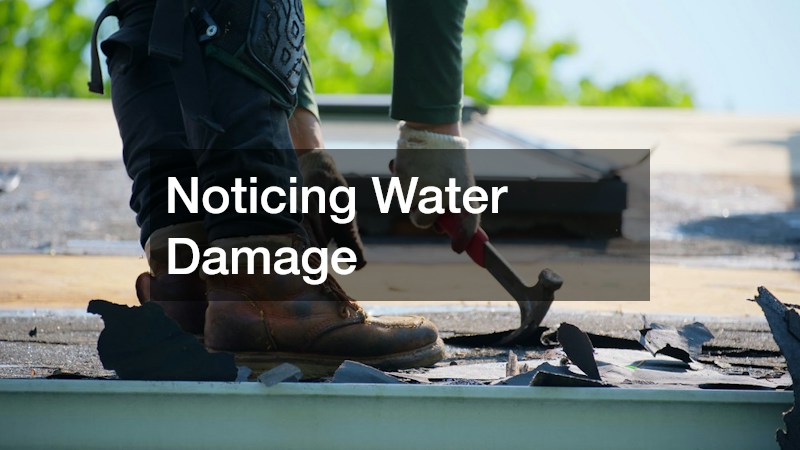
One of the clearest signs that your roof needs attention is water entering your home. You may notice dripping water during or after rainfall, but leaks can also appear as stains on ceilings and walls. Peeling paint, bubbling surfaces, damp insulation, or a musty smell in the attic can also point to moisture intrusion.
A leak does not always originate directly above the area where water becomes visible. Water can travel along roofing materials, insulation, framing, and other parts of the structure before appearing inside. As a result, trying to address only the visible stain may not resolve the underlying problem.
Contact a roofing company when you notice unexplained water damage, particularly if the issue appears repeatedly after rainfall. Prompt attention can help identify the source and determine whether a repair or more extensive work is necessary.
Seeing Damaged Shingles
Roofing materials can deteriorate over time because of sunlight, temperature changes, precipitation, wind, and other environmental conditions. If you notice cracked, curling, loose, or missing shingles, the roof may no longer provide the same level of protection.
Granules collecting in gutters or downspouts can also indicate that asphalt shingles are wearing down. While some granule loss is normal as materials age, a noticeable increase may warrant an evaluation.
Do not ignore small areas of damage simply because the rest of the roof appears intact. Addressing localized problems earlier may help prevent moisture from reaching the underlying decking or other components.
Finding Sagging Areas
A roof should generally maintain a consistent, stable appearance. If you notice a section that appears to sag, dip, or bow, it could indicate a more serious structural or moisture-related issue.
Sagging can be associated with prolonged water exposure, deteriorated decking, inadequate structural support, or excessive weight. Because these problems can affect the stability of the roof, they should not be treated as purely cosmetic concerns.
If you notice an unusual change in the shape of your roof, avoid attempting to repair the area yourself. A professional evaluation can help determine the cause and the appropriate next steps.
Checking After Severe Weather
Strong storms can affect roofing materials even when damage is not immediately obvious. High winds may loosen or remove shingles, while hail can leave dents or impact marks. Falling branches can also puncture roofing materials or damage flashing.
After a severe weather event, look for visible changes from the ground, such as missing materials, debris, damaged gutters, or exposed areas. However, avoid climbing onto the roof to investigate. Walking on damaged materials can create additional problems and can put you at risk of falling.
Scheduling an inspection after significant weather can help identify damage that may not be visible from the ground. This can be particularly useful when problems are located on higher or less accessible sections of the roof.
Noticing Problems With Flashing
Flashing is used around areas where the roof intersects with other structures or features, including chimneys, vents, skylights, and walls. These areas can be vulnerable to moisture if flashing becomes loose, cracked, corroded, or improperly sealed.
Damaged flashing can allow water to enter the roof system and surrounding materials. Because these components are located around potential entry points, problems can sometimes lead to leaks even when the primary roofing material appears to be in good condition.
If you see damaged or deteriorated flashing, consider having the area evaluated rather than waiting for a leak to develop.
Considering the Roof’s Age
Every roofing system has a finite service life. The expected lifespan depends on factors such as the material, installation quality, maintenance, ventilation, climate, and exposure to severe weather.
An older roof does not automatically need to be replaced. However, age can make regular inspections more valuable, particularly when combined with visible deterioration or recurring repairs.
If your roof is approaching the end of its expected service life, a roofing company can evaluate its current condition and help you understand whether continued maintenance or replacement may be more appropriate.
Planning Home Improvements
Roofing concerns can also become relevant when planning other home improvement projects. Adding skylights, solar equipment, ventilation components, or other features may require consideration of the roof’s condition before installation.
If you are planning a project that will interact with the roof, having the existing system evaluated can help identify potential concerns beforehand. Addressing necessary repairs or maintenance before another project begins may help prevent complications later.
Recognizing the signs of roof damage can help homeowners respond to roofing problems before they become more extensive. Water stains, missing or damaged shingles, sagging areas, storm damage, and deteriorated flashing are all reasons to consider a professional inspection. An aging roof or a pattern of recurring leaks may also warrant closer evaluation.
Avoid climbing onto the roof to investigate suspected damage, especially after severe weather. A roofing professional can assess the materials and underlying components, identify potential causes, and recommend suitable repairs or replacement when necessary. Regular inspections and timely attention to visible warning signs can help protect your home and support better long-term maintenance decisions.