
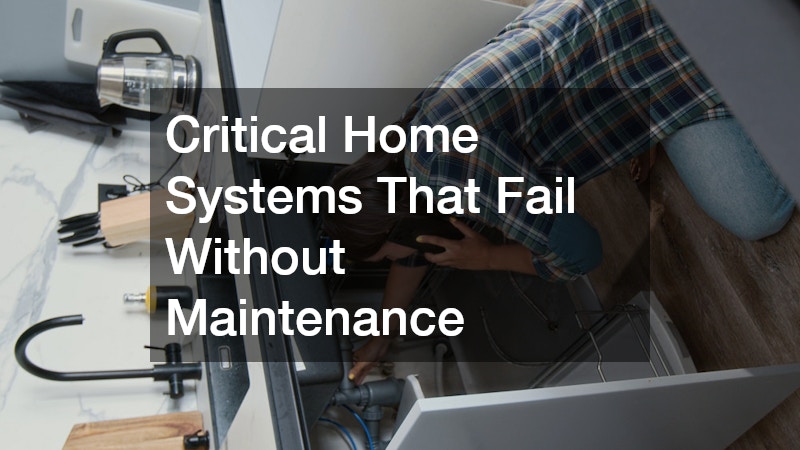
Most homeowners only think about their home’s major systems when something breaks, but by then the damage is often already done and the repair bill has climbed higher than it needed to be. Furnaces, roofs, plumbing lines, and electrical panels all give warning signs long before they fail completely, and catching those signs early is the difference between a minor fix and a costly emergency. This article walks through the critical home systems most prone to neglect, what happens when preventive care is skipped, and what you can do to keep small issues from becoming expensive disasters.

Chimney and Fireplace Deterioration Over Time
A chimney takes a beating from weather, heat cycles, and moisture every year, and most homeowners never look up to check on it. Cracked mortar joints, deteriorating flue liners, and water infiltration can weaken the structure long before you notice smoke backing up into the house. Left unaddressed, these small cracks let water seep into the masonry, where freeze-thaw cycles pry it apart from the inside out.
Scheduling an inspection every year or two catches these problems while they are still cheap to fix. When damage has already progressed, professional chimney restoration can rebuild damaged crowns, reline flues, and repoint deteriorating brick before a full rebuild becomes necessary.
- Check for white staining (efflorescence) on exterior brick, a sign of water intrusion
- Look for rust on the damper or firebox, which points to moisture problems
- Watch for crumbling mortar joints between bricks
- Note any smoky odor even when the fireplace is not in use
Water Lines and Drain Systems Inside the Walls
Plumbing failures rarely happen without warning, but the warning signs are easy to dismiss as minor annoyances. Slow drains, fluctuating water pressure, and faint musty odors near walls or floors often point to a developing leak inside a pipe that has not yet burst. By the time water is visibly pooling, the pipe has usually been leaking for weeks or months.
Routine plumbing services such as camera inspections and pressure testing can catch corrosion and small leaks before they turn into flooded basements or mold-infested drywall. Older homes with galvanized steel or cast iron pipes benefit most from regular checkups, since these materials corrode from the inside where visual inspection is impossible without special tools.
- Watch for unexplained increases in your water bill
- Note any gurgling sounds from drains after running water elsewhere
- Check under sinks monthly for slow drips or dampness
- Pay attention to water pressure changes throughout the house
Cooling Equipment and Seasonal Strain
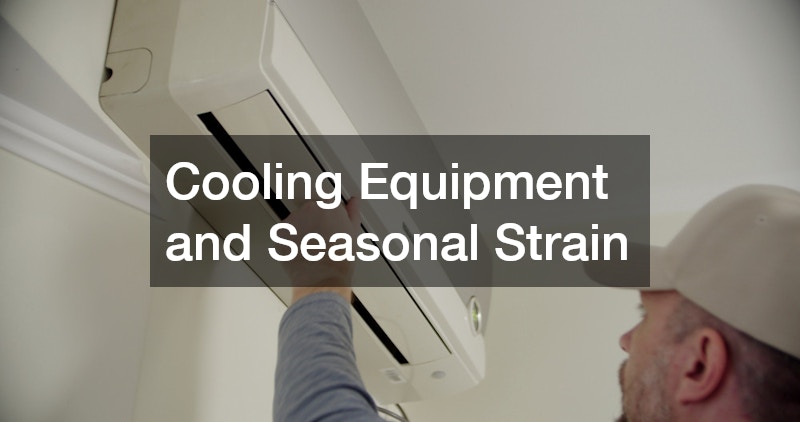
Air conditioning systems work hardest during the exact months when a breakdown is most inconvenient and most expensive to fix quickly. Dirty coils, low refrigerant, and worn capacitors are common culprits that build up gradually rather than causing sudden failure. A unit that runs constantly without reaching the set temperature is usually already struggling.
Annual air conditioner repair and tune-up visits before the summer heat arrives can extend the life of the unit by years and keep energy bills from creeping upward. Technicians can spot refrigerant leaks, worn belts, and electrical connections that homeowners would never think to check themselves.
- Change air filters every one to three months during peak season
- Clear debris and vegetation from around the outdoor condenser unit
- Listen for unusual rattling, buzzing, or clicking sounds
- Monitor for uneven cooling between rooms
Hot Tubs and Spa Equipment Wear
A hot tub is a significant investment, and its pumps, heaters, and filtration systems all operate under constant stress from water chemistry and continuous cycling. Skipping regular maintenance allows scale buildup, worn seals, and clogged filters to strain the motor until it fails outright. Cloudy water or a heater that takes longer than usual to warm the tub are both early indicators of trouble.
Scheduling professional hot tub repair at the first sign of reduced performance often costs far less than replacing a burned-out pump or a cracked heating element later. Regular attention to water balance and filter cleaning also reduces the frequency of larger mechanical repairs.
- Test and balance water chemistry weekly
- Clean or replace filters every four to six weeks
- Inspect the cover for water absorption or cracking
- Drain and refill the tub every three to four months

Masonry Structures That Need Skilled Assessment
Beyond the fireplace itself, the masonry surrounding a home, including chimney stacks, brick facades, and retaining walls, requires periodic professional evaluation. Small cracks that seem cosmetic can actually indicate shifting foundations or water damage working its way through the structure. Because masonry problems are often hidden behind stucco or siding, an untrained eye can easily miss the early signs.
Experienced chimney contractors bring specialized tools, including moisture meters and video scopes, to identify problems that are invisible from ground level. They can also recommend whether a section needs simple repointing or a more extensive structural rebuild, saving homeowners from paying for more work than necessary.
- Schedule a masonry inspection every two to three years
- Look for gaps where the chimney meets the roofline
- Check for leaning or separation from the house structure
- Address small cracks before winter freeze cycles widen them
Heating Systems and Cold Weather Reliability
Furnaces and heat pumps are another system homeowners tend to ignore until the first cold snap reveals a problem. Dirty burners, cracked heat exchangers, and failing igniters develop slowly, often producing subtle symptoms like uneven heating or a faint burning smell. Ignoring these signs risks not just discomfort but potential safety hazards from carbon monoxide leaks.
Annual HVAC repair and maintenance visits in the fall, before the heating season begins, allow technicians to clean components, check gas connections, and calibrate thermostats for efficient operation. This proactive approach costs a fraction of an emergency midwinter repair and reduces the risk of a complete system breakdown on the coldest night of the year.
- Replace furnace filters on a regular schedule
- Test carbon monoxide detectors near sleeping areas
- Keep vents and returns unobstructed by furniture or curtains
- Schedule a professional tune-up before the first freeze

Exterior Cladding and Weather Protection
The siding on a home does more than provide curb appeal; it forms the primary barrier against wind, rain, and temperature swings. Warped panels, peeling paint, and soft spots when pressed are all signs that moisture has already found its way behind the exterior surface. Once water gets trapped underneath, it can rot sheathing and framing long before any damage becomes visible from the street.
Reputable siding companies can assess whether a section needs simple repair or a full replacement, and they can also identify ventilation issues that trap moisture against the wall assembly. Choosing materials suited to your climate, whether fiber cement, vinyl, or engineered wood, makes a noticeable difference in how long the exterior lasts between major repairs.
- Inspect siding after major storms for cracks or dents
- Check corners and seams for gaps where water could enter
- Look for discoloration that suggests trapped moisture
- Repaint or reseal wood siding every few years
Garage Door Springs, Openers, and Safety Sensors
The garage door is one of the largest moving objects in a home, and its components endure thousands of open-and-close cycles every year. Worn springs, frayed cables, and misaligned tracks create both inconvenience and genuine safety hazards if the door were to fail while in motion. Many homeowners do not realize how much tension these springs hold until one snaps unexpectedly.
A qualified garage door company can inspect springs, lubricate moving parts, and test the safety reversal sensors that prevent the door from closing on people or pets. Routine adjustments also keep the opener motor from working harder than necessary, which extends its usable life significantly.
- Test the auto-reverse safety feature monthly
- Lubricate rollers, hinges, and tracks twice a year
- Listen for grinding or scraping noises during operation
- Replace worn weatherstripping along the bottom edge
Roof Drainage and Water Runoff Management
Gutters are easy to forget until they overflow during a heavy rainstorm, but their job of directing water away from the foundation is one of the most important tasks on the entire property. Clogged or sagging gutters send water cascading down exterior walls, where it can seep into siding, windows, and basement walls. Over time, this leads to foundation cracks, mold growth, and rotted fascia boards that are far more expensive to fix than the gutters themselves.
Prompt gutter repair after noticing sagging sections, separated joints, or persistent overflow prevents these cascading problems from spreading to other parts of the home. Adding gutter guards can also reduce the frequency of cleaning needed, particularly on properties surrounded by trees.
- Clean gutters at least twice a year, more often near trees
- Check downspouts for proper flow away from the foundation
- Look for sagging sections or pulling away from the roofline
- Repair small leaks before they widen into larger gaps
Electrical Panels and Wiring Safety Checks
Electrical systems rarely announce their problems loudly until something goes seriously wrong, which is exactly why regular checkups matter so much. Flickering lights, warm outlets, buzzing switch plates, and breakers that trip repeatedly are all signs of an overloaded or aging system that needs attention. A slight burning smell near an outlet or panel is never normal and warrants an immediate call to a licensed electrician rather than a wait-and-see approach.
Homes over thirty years old are especially prone to outdated wiring that was never designed for today’s electrical demands. Knob-and-tube wiring, aluminum wiring, and undersized 60-amp panels were common decades ago but struggle to keep up with modern loads from HVAC systems, home entertainment setups, and kitchens full of high-draw appliances. Many older homes still lack ground-fault circuit interrupter (GFCI) or arc-fault circuit interrupter (AFCI) protection, both of which significantly reduce the risk of shock and electrical fires.
A qualified electrician should inspect the panel and wiring every three to five years, or sooner if the home has recently changed hands, undergone renovations, or added major appliances like a hot tub or EV charger. This inspection typically includes checking for loose connections, corroded breakers, proper amperage capacity, and evidence of rodent damage to insulation. Catching a failing breaker or a scorched bus bar during a routine check costs far less than repairing the aftermath of an electrical fire.
Licensed electrical services can evaluate panel capacity, test for proper grounding, and identify outdated wiring types like aluminum or knob-and-tube that pose fire risks. Many homes built before the 1990s still run on 100-amp panels, which struggle to keep up with today’s demands from HVAC systems, electric vehicle chargers, and multiple high-draw appliances running simultaneously. An electrician can tell you whether an upgrade to 150 or 200 amps makes sense for your household’s actual usage.
Warning signs shouldn’t be ignored between inspections. Flickering lights, warm outlets, breakers that trip repeatedly, or a persistent burning smell near the panel all indicate problems that need immediate attention rather than a wait-and-see approach.
Addressing these issues proactively is far safer and cheaper than dealing with the aftermath of an electrical fire or a failed inspection during a home sale. A routine panel inspection typically costs a few hundred dollars, while rewiring a home after fire damage can run into the tens of thousands. Scheduling a professional check every three to five years, or immediately after buying an older home, is a small investment against a catastrophic risk.
- Watch for outlets or switch plates that feel warm to the touch, or show discoloration and scorch marks
- Note any burning, fishy, or ozone-like smell near switches, outlets, or the panel itself — shut off power and call an electrician immediately
- Count how often breakers trip during normal use; more than once a month signals overloaded circuits or a failing breaker
- Listen for buzzing or crackling sounds coming from the panel, which often means loose connections
- Have panels inspected every ten years, after major renovations, or immediately after adding large appliances like a hot tub or EV charger
- Ask your electrician to check for outdated fuse boxes, aluminum wiring, or panels under 100 amps, all common in homes built before 1980
Every system covered here shares the same lesson: small warning signs are far cheaper to address than full-blown failures. Building a simple seasonal checklist and scheduling routine inspections for your home’s major systems can save thousands of dollars and prevent the stress of emergency repairs. Start by identifying which of these systems in your own home hasn’t been checked in the last year, and put that inspection on your calendar today.
